
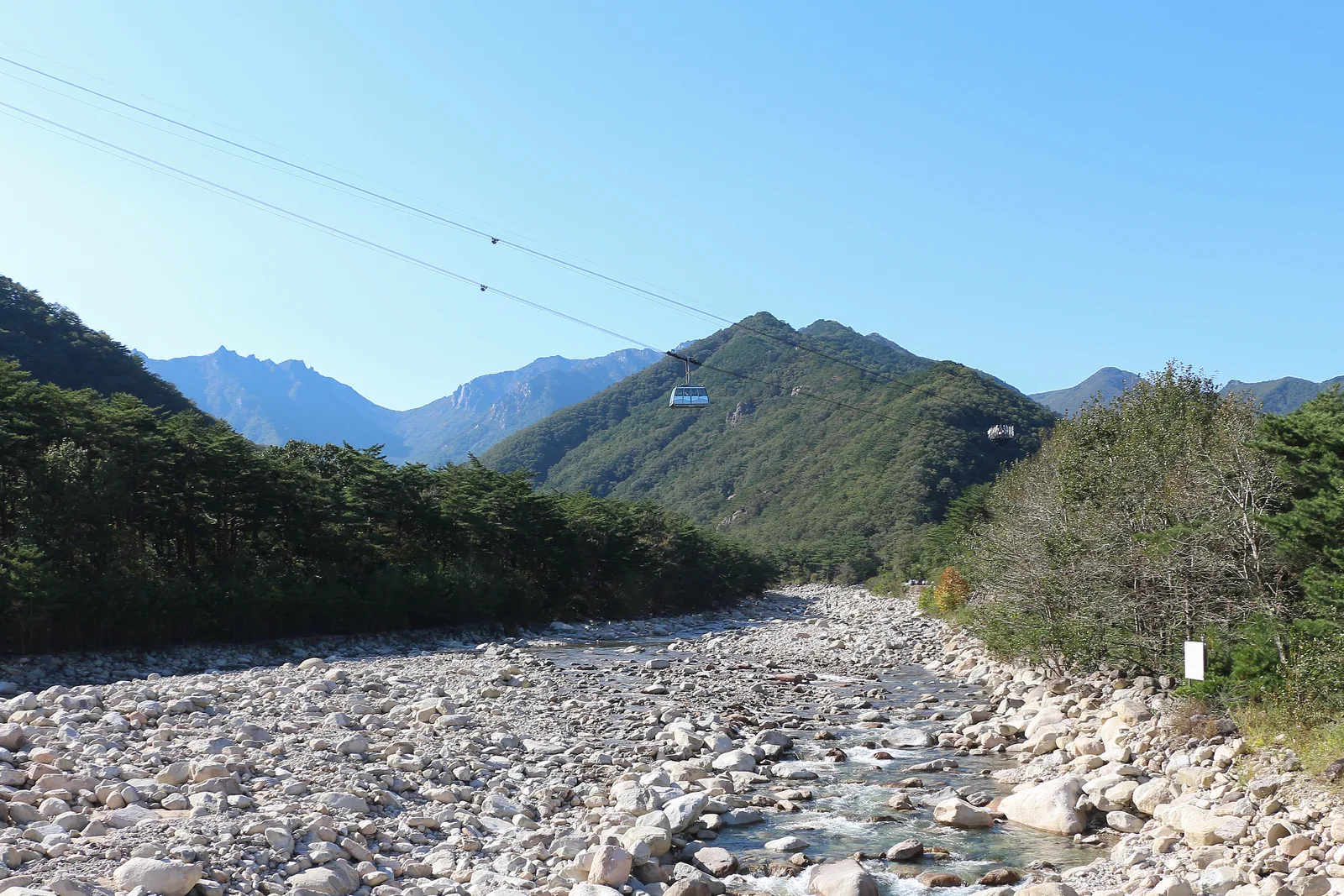
Sokcho and Gangneung sit close enough together on Korea’s east coast that most trips combine them, but they offer genuinely different things. Sokcho is the base for Seoraksan’s mountains and temples; Gangneung is beaches, Gyeongpo Lake, and the country’s best-known coffee street. Both are reachable from Seoul in about the same amount of time.
Gangneung and Sokcho at a Glance
Seoraksan National Park, a UNESCO Biosphere Reserve since 1970, is the main draw around Sokcho, with its peak Daecheongbong reaching 1,708 meters across roughly 400 square kilometers of park. Gangneung, about an hour south along the coast, trades mountains for Gyeongpo Lake, its beaches, and Anmok’s coffee shops. Both cities work as a day trip from Seoul, but a one or two-night stay lets you cover both without rushing.
Sokcho and Seoraksan National Park
The Seorak Cable Car carries 50 passengers per cabin, departing every 5 to 15 minutes, up to Gwongeumseong, a fortress built at 700 meters elevation in 1253 to defend against Mongol invasions. From there, the Gongnyong Ridge, Manmulsang rock formations, and Ulsan Bawi are all visible in one view. Fare is 10,000 KRW for middle schoolers and up, 6,000 KRW for younger children. During peak autumn foliage, the cable car starts running at 6:30 AM and lines still run 1 to 2 hours, so an early start matters more than usual that time of year.
Sinheungsa Temple, founded in 652, is home to the Tongil Daebul (Unification Buddha), a 14.6-meter bronze seated Buddha on a 4.3-meter pedestal, Korea’s largest. Afterward, Cheoksan Hot Spring offers naturally hot spring water at 53°C, no artificial heating needed, for 9,000 KRW for adults and 5,000 KRW for children, connected to a roughly 1-kilometer forest path called Solbaram-gil. The Seoraksan Native Plant Garden and National Mountain Museum (with a 10-meter indoor climbing wall and a VR alpine experience room) are both free to enter and work well as a lower-key add-on.
For food, the Sokcho Tourist Fish Market covers dakgangjeong (Korean fried chicken bites), ojingeo sundae (squid stuffed with rice and vegetables), abai sundae, and fresh sashimi, with raw fish restaurants in the basement and a floor of young merchant stalls above. It’s open 8 AM to midnight.
Gangneung: Beaches and Coffee
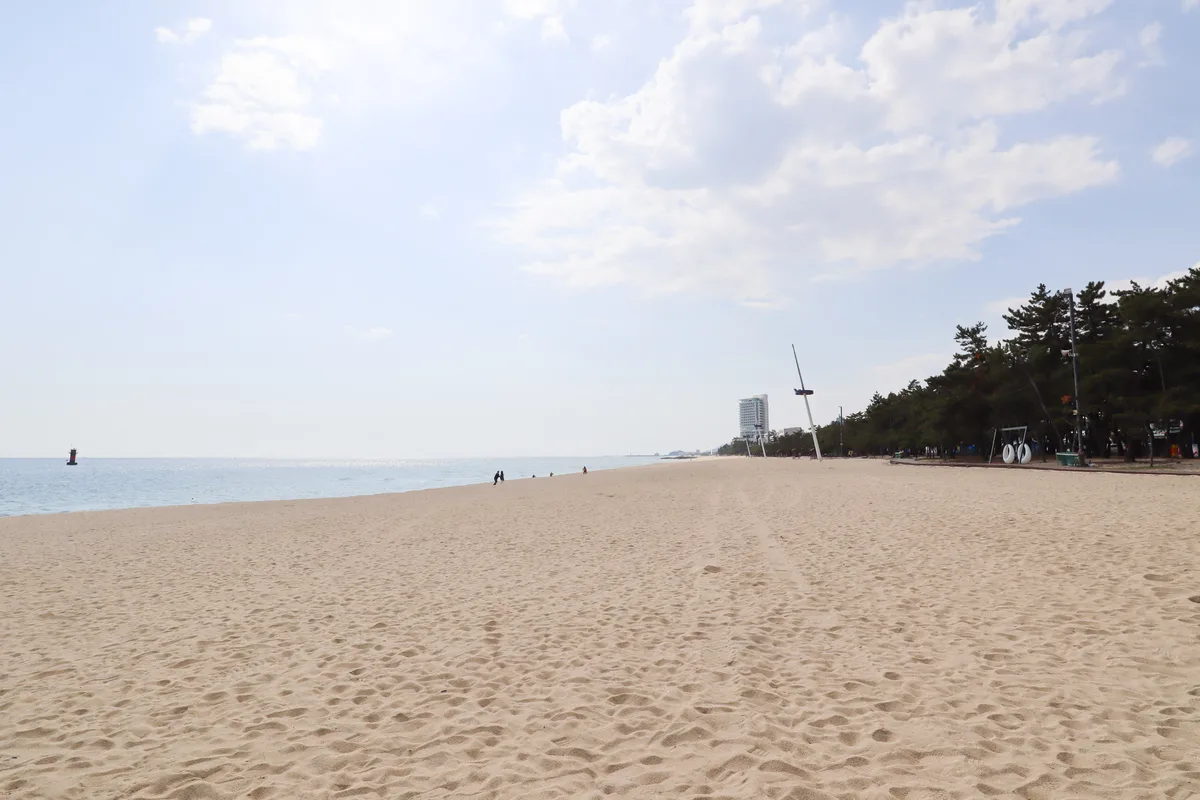
Gyeongpo Beach stretches 1.8 kilometers with shallow water and a pine forest backing the sand, about 1 kilometer from Gyeongpodae Pavilion and 6 kilometers from downtown Gangneung. It sits right next to Gyeongpo Lake, so the beach and lake are easy to combine in one visit.
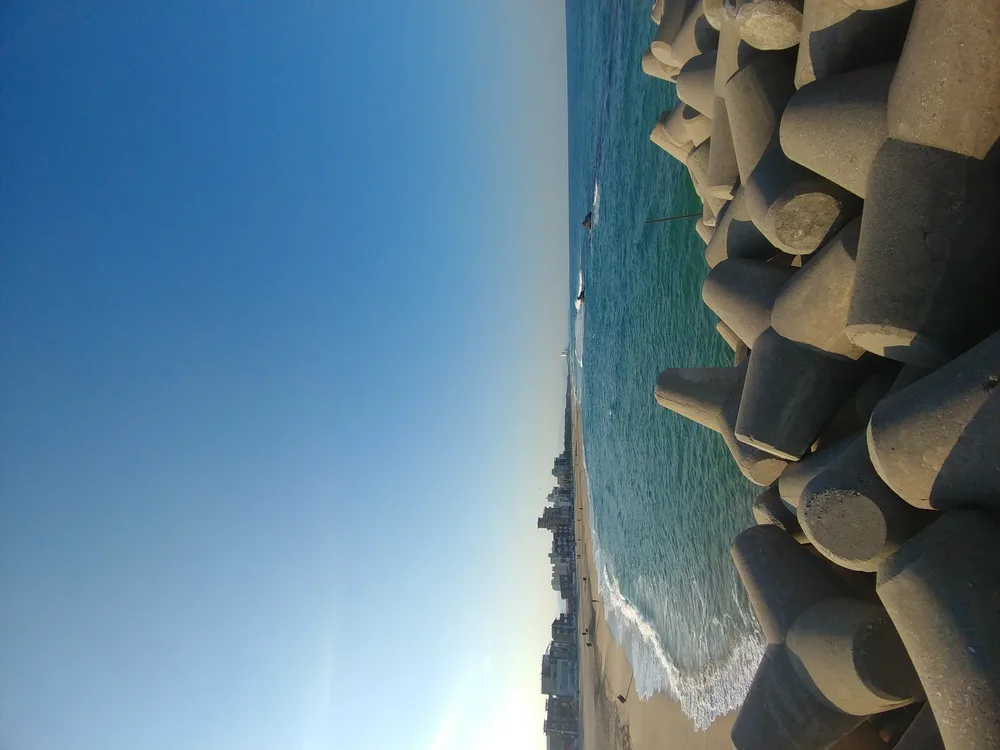
Anmok Beach is better known today as Gangneung’s Coffee Street. It started out known for coffee vending machines lining the road, but since the 2000s, independent baristas have settled in, and it’s now considered the country’s coffee capital. Most cafes are built with floor-to-ceiling glass fronts facing the small harbor, so ordering a coffee here comes with an ocean view built in.
Getting There
By car to Sokcho, the route runs Seoul-Yangyang Expressway to Yangyang JC, then the Donghae Expressway to the North Yangyang tollgate and Daejopyeong intersection. By bus, Seoul to Sokcho takes roughly 2 hours 10 minutes to 2 hours 30 minutes. For Gangneung specifically, the KTX Gangneung Line from Seoul Station or Cheongnyangni Station takes about 1 hour 40 minutes to 2 hours depending on the specific train, making it the fastest option if Gangneung is your main stop.
Gangneung and Sokcho: Quick Answers
Yes, though it’s a long day. A bus takes about 2 hours 10 minutes to 2 hours 30 minutes each way, so an early departure matters if you want real time at the park.
10,000 KRW for middle school age and up, 6,000 KRW for younger children, running every 5 to 15 minutes up to Gwongeumseong fortress.
It was originally known for coffee vending machines along the road. Independent baristas began settling there after 2000, and it’s since become known as Korea’s coffee capital, with most cafes facing the harbor through floor-to-ceiling windows.
The KTX Gangneung Line from Seoul Station or Cheongnyangni Station, taking about 1 hour 40 minutes to 2 hours depending on the train.
It’s free, and its 10-meter indoor climbing wall and VR alpine experience room make it a reasonable lower-key stop if the weather turns or you want a break from hiking.
Chasing Korea’s autumn foliage more broadly? Our 100 must-visit spots guide covers Seoraksan alongside the country’s other major natural sights.



Comments
Leave a comment