
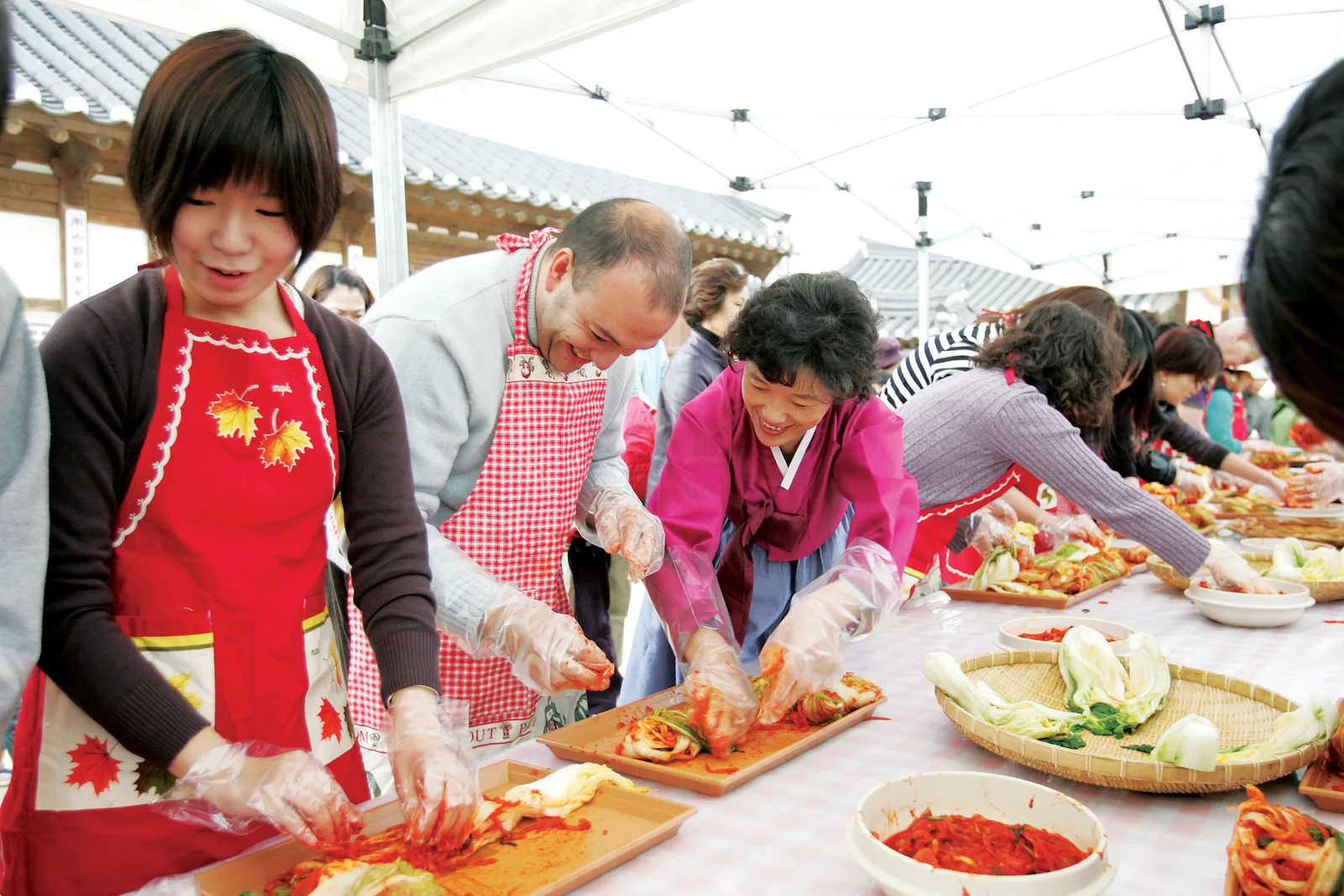
Most Korean cooking classes aimed at visitors center on kimchi, since it’s the dish tourists ask about most, but several also cover bulgogi, bibimbap, and japchae in the same session. Prices, class length, and whether English or Japanese is actually spoken vary a lot by venue, so here’s what a few specific, bookable options actually involve.
Korean Cooking Classes at a Glance
Seoul has the widest concentration of visitor-facing cooking schools, most clustered around Jongno-gu (Insadong, Bukchon), with a few regional options built into cultural centers outside the city. Sessions generally run 1.5 to 2 hours, cost somewhere between 20,000 KRW for a museum-style workshop and 80 to 100 USD for a full private-style class with English or Japanese instruction, and usually let you take home whatever you made.
Seoul: Two Reliable Options
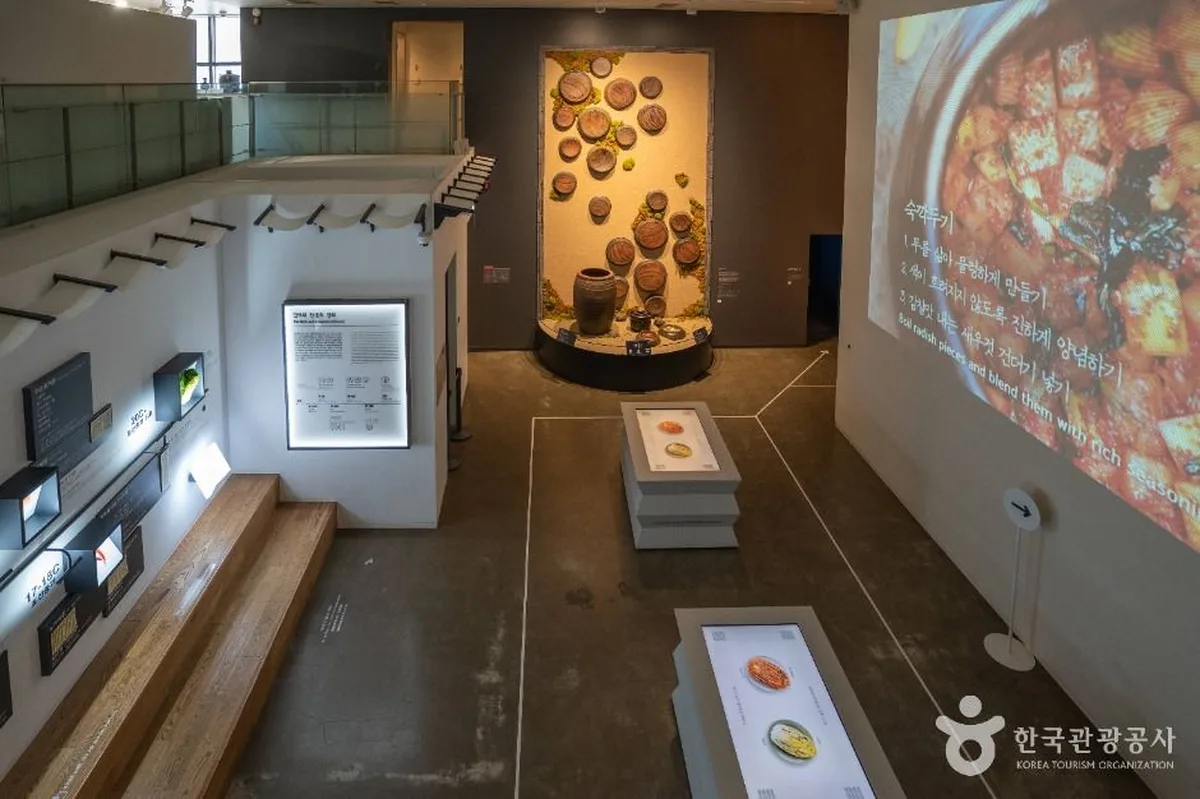
Museum Kimchikan, on the 4th to 6th floors of the Maru Art Center in Insadong, combines a kimchi museum (5,000 KRW general admission) with a bilingual Korean-English hands-on workshop where you can wear a hanbok while making your own kimchi to take home in a sealed jar. It’s open Tuesday to Sunday, 10 AM to 6 PM, and the making class needs booking about 3 days ahead since slots fill up.
O’ngo Food Communications, in Bukchon, runs a Cabbage Kimchi and Bulgogi class taught in both English and Japanese, roughly 2 hours, with weekday morning sessions around 10:30 AM. It costs about 81 USD per person and includes kimchi to take home. Cancellation is free up to 72 hours ahead, with a 50 percent refund inside 48 hours and no refund inside 24 hours.
Outside Seoul
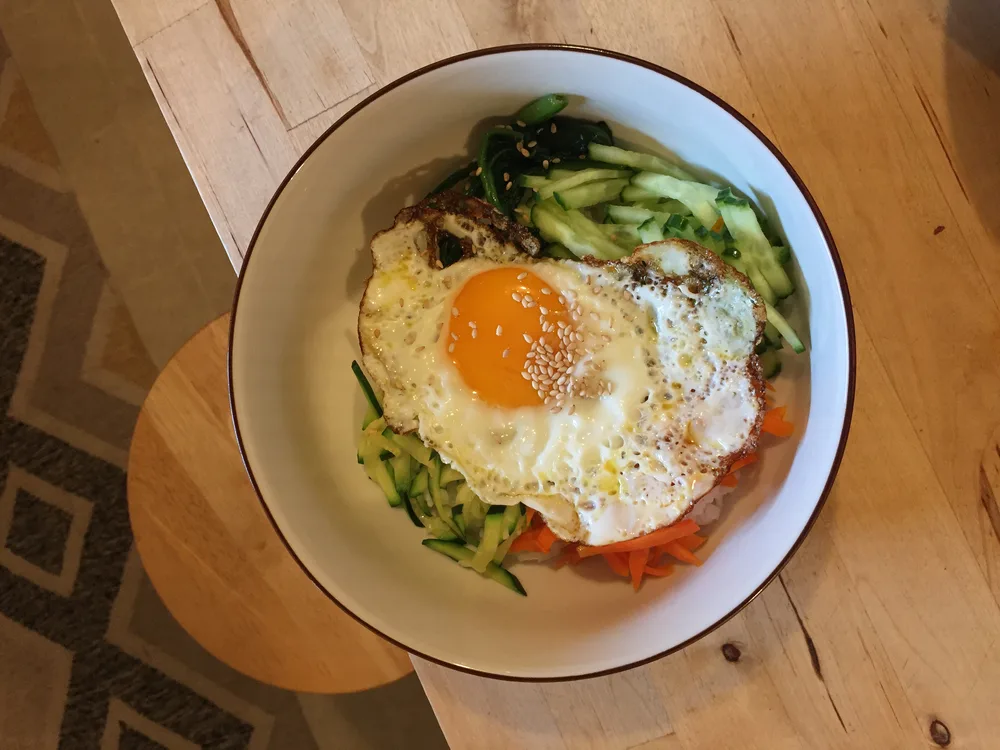
Away from Seoul, Jeonggangwon, a traditional Korean food and culture center in Pyeongchang, Gangwon-do, runs hands-on sessions for gochujang, kimchi, injeolmi rice cakes, and mackerel ssamjang, alongside a hanok-style traditional course meal. Its bibimbap-making session specifically requires a group of 10 or more, so it suits a family or tour group booking rather than a solo traveler dropping in.
Rasunjae in Gyeongju, Gyeongsangbuk-do, offers bulgogi, bibimbap, and gimbap-making experiences as part of a broader traditional food program, though we couldn’t independently verify current pricing for it beyond what’s listed on VK, so confirm cost and availability directly before planning around it.
Cooking Classes: Quick Answers
Yes, generally. Museum Kimchikan’s workshop needs about 3 days’ notice, and O’ngo Food Communications’ classes run on a fixed weekday schedule that fills up, especially in peak travel season.
Both Seoul options covered here offer English instruction, and O’ngo Food Communications specifically also offers Japanese-language sessions.
Museum Kimchikan’s general admission (5,000 KRW) is far cheaper than a private cooking class, though the dedicated hanbok-and-kimchi-making workshop there costs more than basic admission alone.
Yes, both Museum Kimchikan and O’ngo Food Communications send participants home with the kimchi they made, usually in a sealed container.
It depends on your priorities, but a 2-hour class fits reasonably into a short trip, especially if it replaces one lunch or dinner you’d have booked elsewhere anyway.
Want to eat your way through Korea without a class in between? Our must-try Korean food guide covers the dishes worth seeking out at restaurants and markets instead.



Comments
Leave a comment