
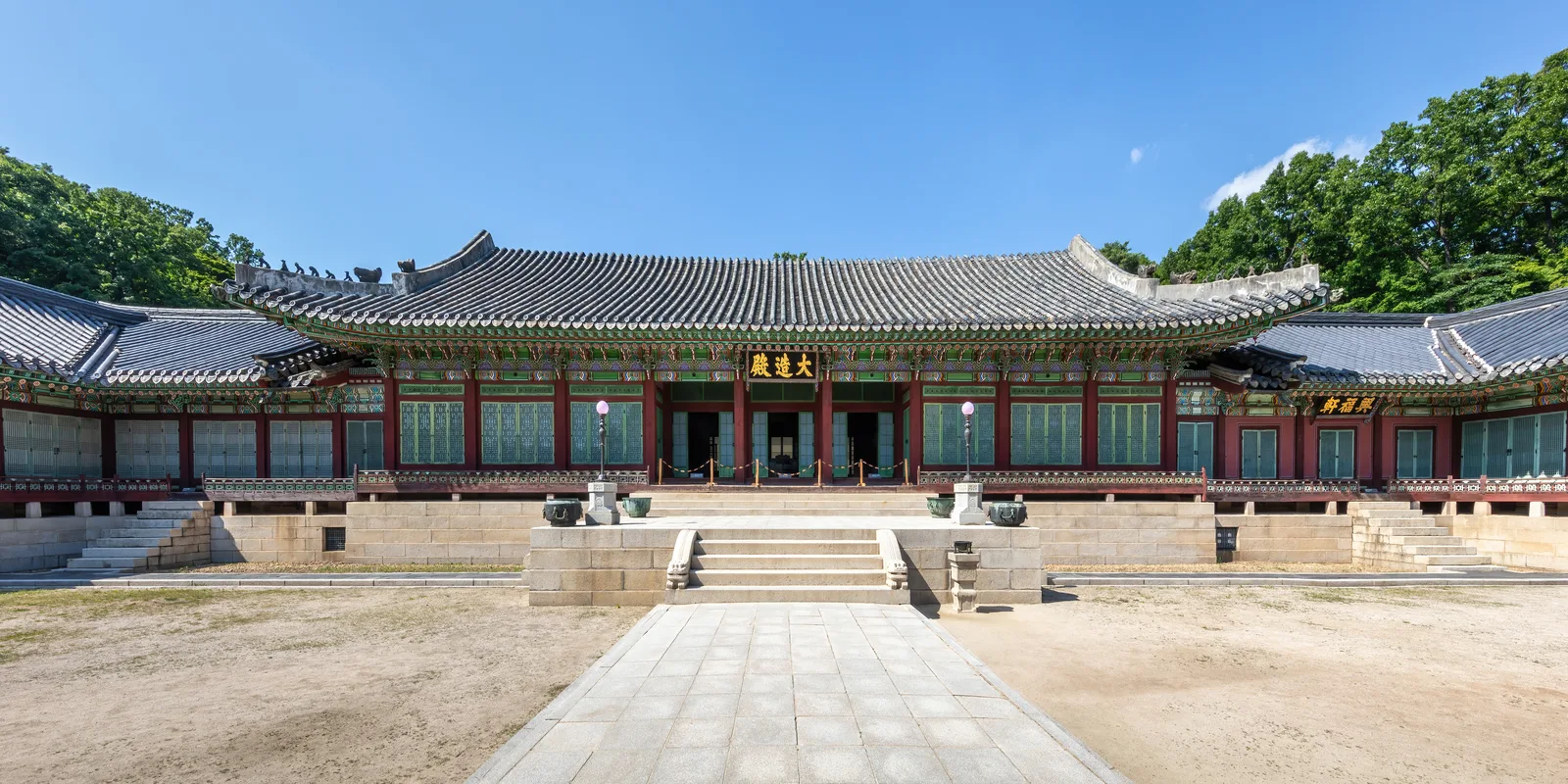
Korea holds 17 UNESCO World Heritage properties, 15 cultural and 2 natural, and the list keeps growing. Two sites were added or expanded in the past year alone, which most existing travel guides haven’t caught up with yet.
Seventeen is too many to fit into one trip, so this covers what’s actually on the list, then goes deep on the handful that are easy to reach and genuinely worth planning a visit around.
All 17 Sites at a Glance
| Site | Inscribed | Where |
|---|---|---|
| Seokguram Grotto and Bulguksa Temple | 1995 | Gyeongju |
| Haeinsa Temple Janggyeong Panjeon | 1995 | Hapcheon |
| Jongmyo Shrine | 1995 | Seoul |
| Changdeokgung Palace Complex | 1997 | Seoul |
| Hwaseong Fortress | 1997 | Suwon |
| Gochang, Hwasun and Ganghwa Dolmen Sites | 2000 | Multiple regions |
| Gyeongju Historic Areas | 2000 | Gyeongju |
| Royal Tombs of the Joseon Dynasty | 2009 | Seoul and surrounding areas |
| Historic Villages: Hahoe and Yangdong | 2010 | Andong and Gyeongju |
| Namhansanseong | 2014 | Near Seoul (Gyeonggi-do) |
| Baekje Historic Areas | 2015 | Gongju, Buyeo, and Iksan |
| Sansa, Buddhist Mountain Monasteries | 2018 | Seven temples nationwide |
| Seowon, Neo-Confucian Academies | 2019 | Nine academies nationwide |
| Gaya Tumuli | 2023 | Multiple sites in Gyeongsang region |
| Bangudae Petroglyphs | 2025 | Ulsan |
| Jeju Volcanic Island and Lava Tubes | 2007 (natural) | Jeju |
| Getbol, Korean Tidal Flats | 2021, expanded 2026 (natural) | Multiple southwest and south coast sites |
Seoul’s Two: Changdeokgung Palace and Jongmyo Shrine
Changdeokgung Palace is walkable, uncrowded relative to Gyeongbokgung, and built around its Secret Garden, a former royal retreat of ponds and pavilions. Basic palace admission runs 3,000 KRW, free if you wear hanbok, and the palace closes on Mondays. The Secret Garden costs an extra 5,000 KRW and only runs as a timed, capped guided tour, roughly 50 English-language spots go up for online booking six days ahead, with another 50 sold same-day in person. Book online if you can, since English sessions fill first.
Jongmyo Shrine holds the ancestral tablets of the Joseon dynasty’s kings and queens, and entry costs a symbolic 1,000 KRW, free under 19 or over 65. The catch is timing: on any weekday except Tuesday, when it’s closed entirely, you can only enter as part of a scheduled guided tour, with English tours running at 10 AM, noon, 2 PM, and 4 PM. Saturday is the one day you can walk through at your own pace without joining a tour.
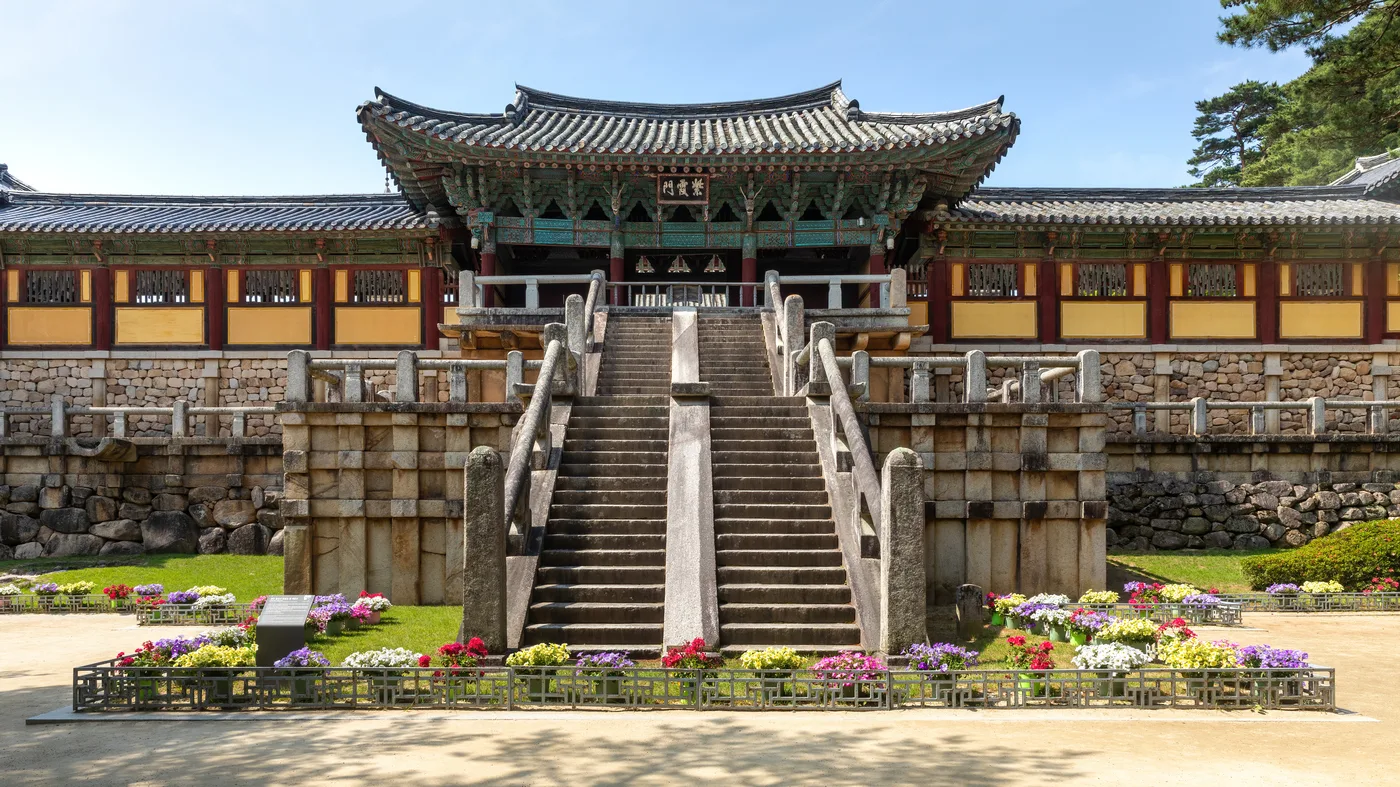
Gyeongju’s Bulguksa Temple and Seokguram Grotto, Now Free
Both sites have been free to enter since May 2023, when Korea exempted 65 nationally designated temples from admission fees under a revised cultural heritage law. A fair number of older travel sites still list a 5,000 KRW charge for one or both, so it’s worth knowing that figure is out of date.
Bulguksa Temple is open roughly 7 AM to 6 PM year round. Seokguram Grotto, the Buddha carved into a granite cave above the temple, runs seasonal hours: 9 AM to 6 PM in summer, 9 AM to 5:30 PM in October, and 9 AM to 5 PM in winter. The two sites sit about 20 minutes apart by car or local bus, and most visitors treat them as a single half-day trip.
Jeju’s Manjanggul Cave, Reopened in 2026
Manjanggul is a lava tube on Jeju’s eastern side, part of the Geomunoreum Lava Tube System that earned Jeju its natural heritage listing in 2007. It closed for safety repairs to its walkway in late 2023 and reopened on May 30, 2026, with the path rebuilt, so a visit here no longer runs into the closure that frustrated visitors for two and a half years.
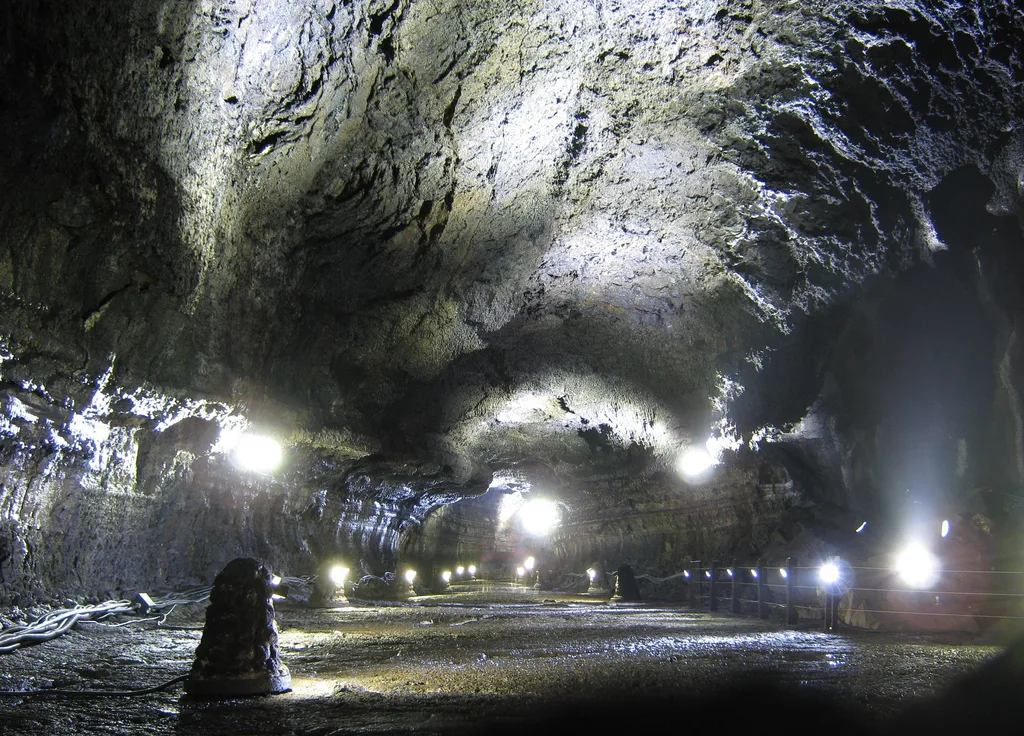
Admission is 4,000 KRW for adults, 2,000 KRW for youth and children. The cave is open 9 AM to 6 PM daily, with ticket sales cutting off at 5 PM, and it closes entirely on the first Wednesday of each month.
The public section is a fraction of the whole
Manjanggul stretches 7.4 km total, but only about 1 km near the entrance is open to walk through. The rest stays closed to protect the cave environment, so don’t expect a multi-hour trek.
The Newest Additions: 2025 and 2026
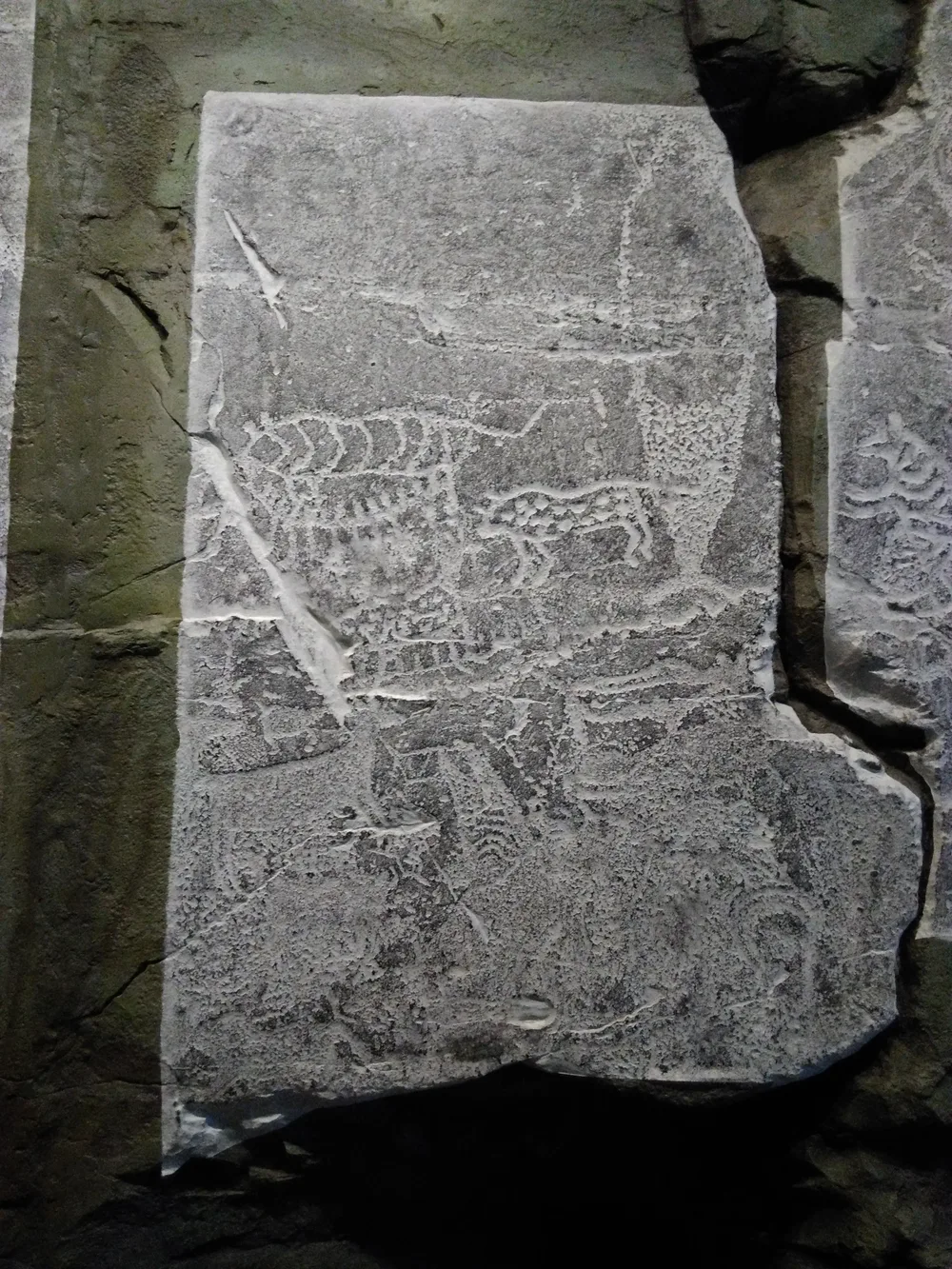
The Bangudae Petroglyphs, carved into cliffside rock along a stream near Ulsan, were inscribed in July 2025. The engravings date back roughly 7,000 years and include over 300 distinct images of whales, land animals, and hunting scenes, among them what’s believed to be the oldest known depiction of whale hunting anywhere in the world. The original rock face is difficult to view up close for preservation reasons, so most visitors see the detail through full-scale replicas at the nearby Bangudae Petroglyph Museum.
The Getbol, Korean Tidal Flats listing, first inscribed in 2021, was significantly expanded in July 2026 to add several more tidal flat areas along Korea’s south and southwest coasts. Getbol isn’t a single visitable spot so much as a protected ecosystem spread across several regions, better suited to birdwatching and coastal walks than a typical sightseeing stop, but it’s worth knowing about if you’re already planning time on Korea’s southern coastline.
UNESCO Sites in Korea: Quick Answers
17 as of 2026: 15 cultural sites and 2 natural sites. The most recent additions are the Bangudae Petroglyphs (2025) and an expansion of the Getbol tidal flats (2026).
Yes, since May 2023, as part of a nationwide fee exemption covering 65 nationally designated temples. Some older sources still list a charge, but that information is outdated.
Effectively yes if you want an English tour. Roughly 50 online spots open six days in advance and English sessions fill quickly, though a same-day allotment is also sold on site.
Yes. It reopened May 30, 2026, after a two-and-a-half-year closure for walkway repairs, and now runs on regular hours with a rebuilt path.
Changdeokgung Palace and Jongmyo Shrine are both in central Seoul and walkable from each other. Bulguksa Temple and Seokguram Grotto near Gyeongju are about 20 minutes apart and typically visited together.
Building a Gyeongju stop into a longer trip? Our daily budget guide breaks down what a multi-city itinerary actually costs by travel style.



Comments
Leave a comment