
Korean accommodation splits into more categories than most countries bother with, and a couple of them come with baggage that scares off travelers who’d otherwise get real value out of them. Here’s what each type actually is, what it costs, and which one fits which kind of trip.
Accommodation Types at a Glance
Six categories cover almost everything: hotels, motels, guesthouses, hanok stays, pensions, and glampsites. Hotels and motels are priced per room; guesthouses are often priced per bed in a dorm; hanok stays and pensions are frequently priced per person or per house rather than per room, sometimes with a meal included. That pricing structure alone explains a lot of the sticker-shock confusion travelers run into when comparing listings across types.
Hotels and Motels
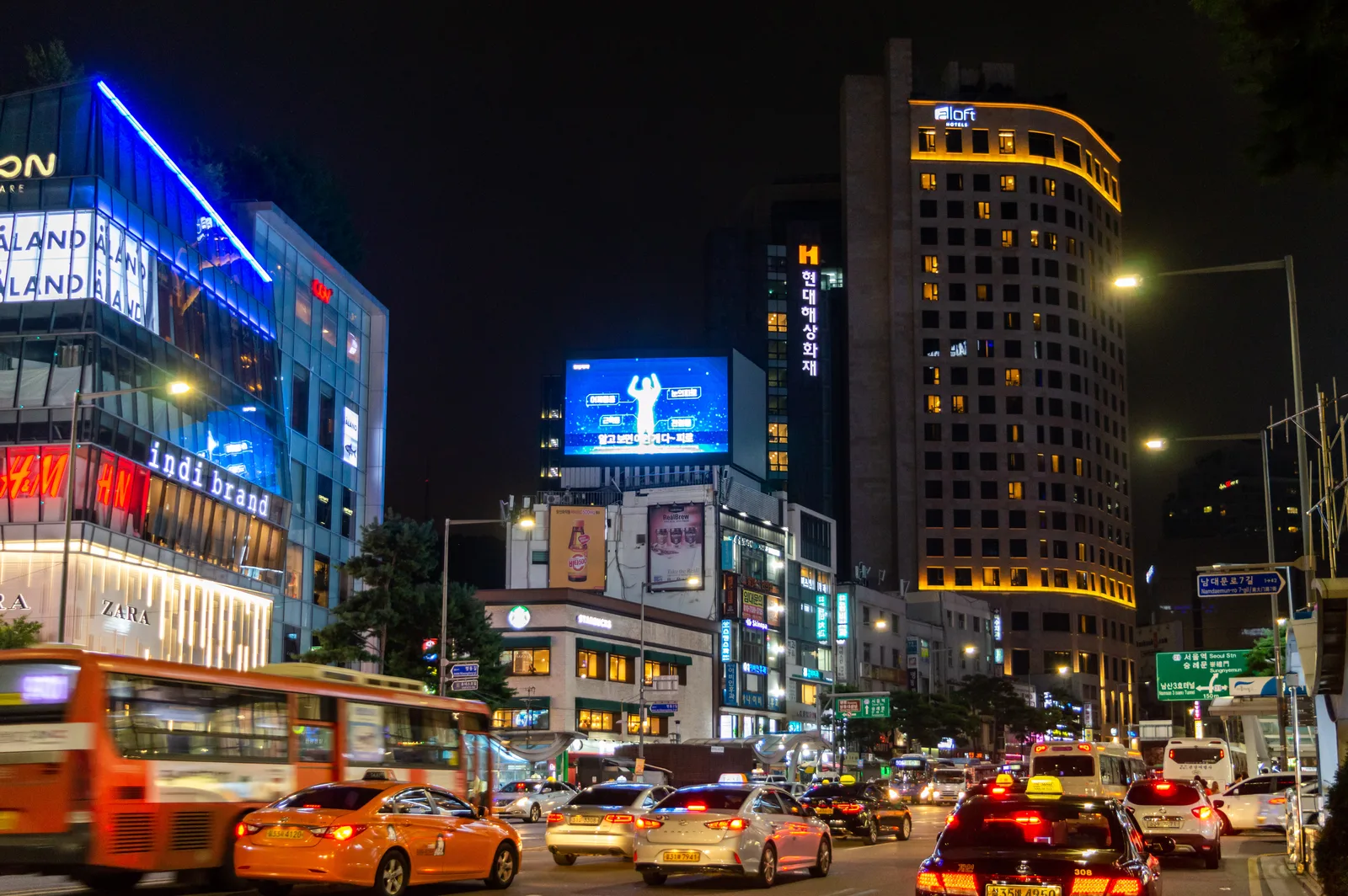
Hotels run the full range, from international five-star chains to compact business hotels built for a single overnight stay near a subway line. Mid-range hotels typically run 90,000 to 160,000 KRW a night; a growing local trend called “hocance” (hotel plus vacance) has Koreans booking a nice hotel purely to relax in, not to sightsee from, which says something about how the mid-tier has improved in recent years.
Motels have a reputation problem outside Korea that doesn’t match what most of them actually are. The category grew rapidly after the 1988 Seoul Olympics and originally leaned toward short-stay, couples-focused business, hence the “love motel” label that still follows the category around. In practice, most Korean motels today are simply the country’s best-value budget option, running 50,000 to 90,000 KRW a night, often cleaner and better equipped (rain showers, large TVs, sometimes a spa tub) than a hostel or guesthouse at a similar price. Quality varies by property, so it’s worth asking to see the room before paying if you’re walking in without a booking.
Hanok Stays, Guesthouses, and Pensions
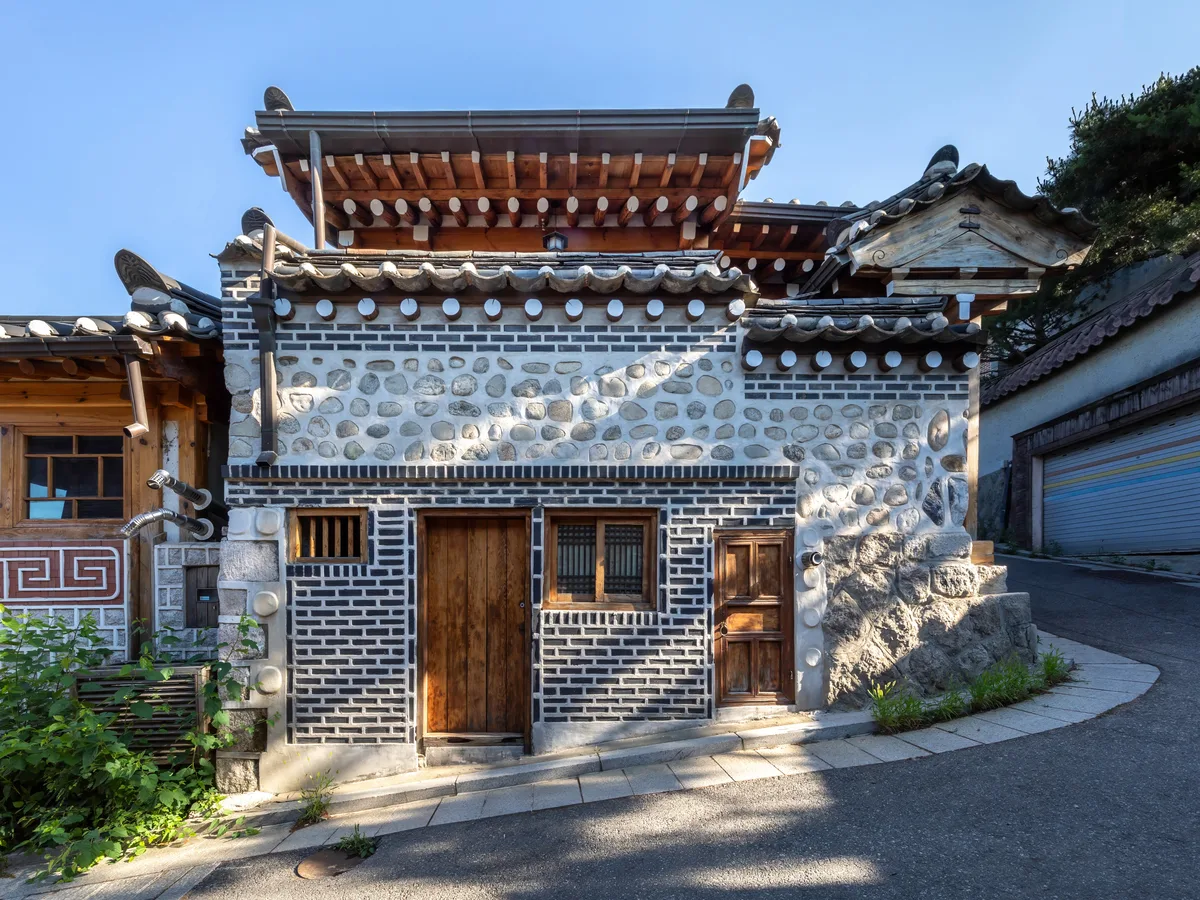
Hanok stays, overnight visits in a traditional Korean house with a wooden-floored daecheongmaru hall and heated ondol floors, cluster around neighborhoods like Bukchon and Ikseon-dong in Seoul, along with Jeonju’s hanok village. Pricing spans a wide range depending on how restored and upscale the house is: budget hanok rooms start around 70,000 to 140,000 KRW, with mid-range and higher-end stays running well beyond that. It’s a cultural experience more than a convenience play, so it suits travelers building a night or two around it rather than those who just need a bed.
Guesthouses are Korea’s closest equivalent to a hostel, with dorm beds and private rooms, often with a shared kitchen or common area, and some cater specifically to female travelers or run social events for guests. Dorm beds typically run 22,000 to 35,000 KRW a night, making this the cheapest category after a jjimjilbang overnight stay.
Pensions, common around countryside and coastal areas like Gapyeong, are standalone vacation houses that range from plain and homey to genuinely resort-quality, often with distinctive architecture built around a view. They suit group trips or families more than solo travelers, since pricing is usually per house rather than per person. Glamping, run in Korea by hotel and resort operators rather than independent campsites, covers similar ground for travelers who want a countryside stay without giving up hotel-level comfort.
Booking: Why the Cheapest Korean Apps Often Don’t Work for Tourists
Korea’s two biggest domestic booking apps for motels, pensions, and budget stays, Yanolja and Yeogi Eottae, dominate the local market and often list better prices than international platforms for exactly the categories above. The catch is that both are built around Korean users: interfaces are mostly Korean-language, and Yeogi Eottae in particular doesn’t support registration with a foreign phone number, which blocks most visitors before they can even browse properly.
In practice, this means most foreign travelers end up booking hotels, guesthouses, and hanok stays through international platforms like Agoda, Booking.com, or Hotels.com, which carry plenty of Korean inventory and work smoothly without a Korean phone number, even if the per-night price sometimes runs a bit higher than what a Korean domestic app would show a local user.
Korea Accommodation Types: Quick Answers
Generally yes. Most operate as ordinary budget accommodation today rather than the short-stay “love motel” business the category is historically associated with. Quality varies by property, so ask to see the room first if you’re walking in without a booking.
A guesthouse dorm bed, typically 22,000 to 35,000 KRW a night, just above a jjimjilbang overnight stay.
Yes, through international platforms like Agoda or Booking.com, both of which list hanok properties in Seoul’s Bukchon and Ikseon-dong neighborhoods and in Jeonju.
Both are built primarily for Korean users. Yeogi Eottae specifically doesn’t support foreign phone number registration, and both apps run mostly in Korean, which pushes most visitors toward international booking platforms instead.
A pension is typically an independently run vacation house, priced per house rather than per person. Glamping in Korea is usually run by hotel or resort operators, offering a similar countryside setting with more standardized, hotel-level comfort.
Deciding where to base yourself in Seoul before picking a specific hotel? Our Seoul districts guide compares Myeongdong, Jongno, Gangnam, and Hongdae by what each one actually suits.



Comments
Leave a comment