
Korea’s Ministry of Culture, Sports and Tourism and the Korea Tourism Organization have been quietly running an accessibility program since 2015, adding ramps, accessible restrooms, and tactile guides to a growing list of tourist sites each year. It doesn’t get much attention outside Korea, likely because the program’s own site is Korean-only, but the actual facilities are real and worth knowing about if mobility, vision, or traveling with small children shapes how you plan a trip.
What the Open Tourism Site Program Is
Since 2015, the ministry and KTO have designated a batch of “Open Tourism Sites” (열린관광지) every year, funding accessibility upgrades at each one under the slogan “barrier-free tourism for everyone.” In 2025 alone, 20 sites across 10 municipalities were added. The upgrades follow a consistent pattern: accessible parking, ramped entrances, redone restrooms, wheelchair and stroller-friendly rest areas, tactile floor guides and Braille materials for visually impaired visitors, and audio or NFC-based information panels.
This is a different, narrower thing than Korea’s general tourism infrastructure. It’s a specific, funded improvement program applied site by site, not a blanket accessibility standard, so facilities vary meaningfully from one designated site to the next depending on when it was added and what its layout allowed for.
Three Open Tourism Sites Worth Knowing
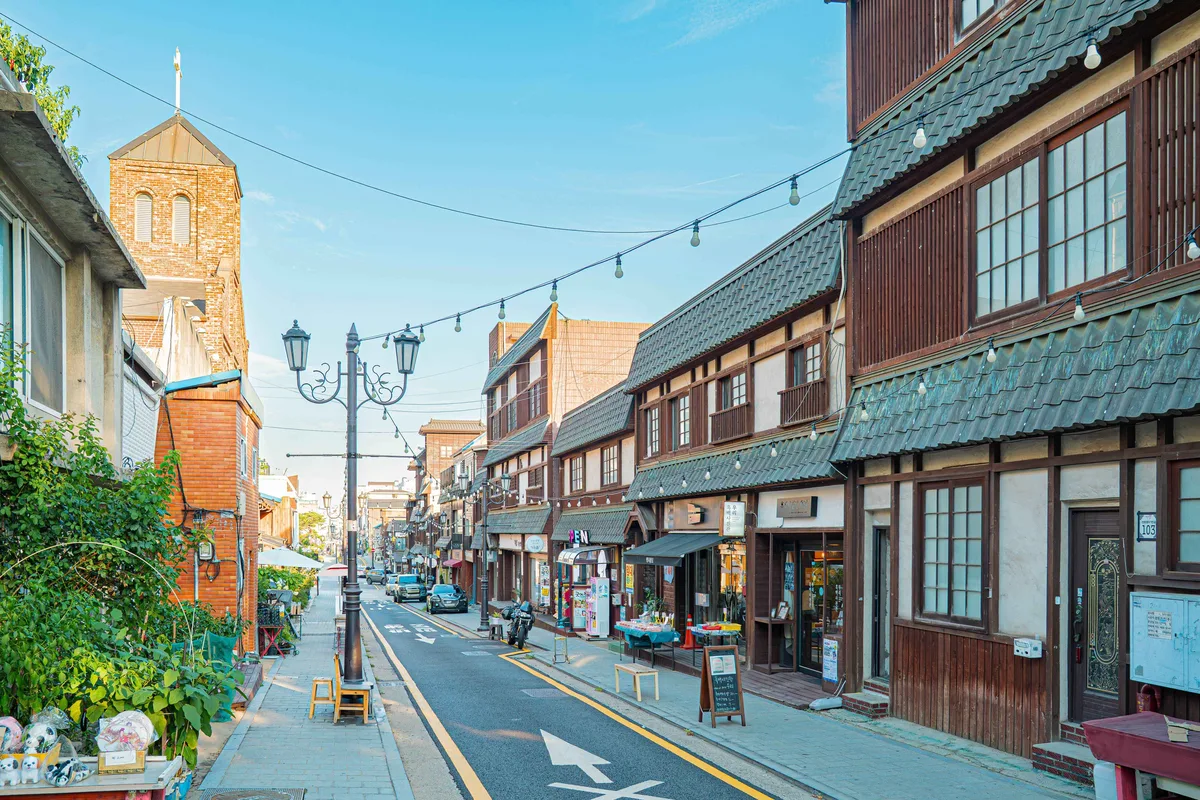
Incheon’s Gaehangjang Open Port District, the former Japanese, Chinese, and international concession area from the 1883 opening of Jemulpo port, has accessible restrooms at the Incheon Open Port Museum and the Incheon Art Platform, accessible parking at the Korean-Chinese Cultural Center’s underground lot and the Jung-gu District Office, entrance ramps, wheelchair and stroller rental at the Korean-Chinese Cultural Center, a rapid charger for electric wheelchairs at the Overseas Chinese History Museum, tactile audio information panels, Braille blocks, and a scheduled visual-impairment cultural tour program on Tuesdays through Sundays from 10 AM to 5 PM.
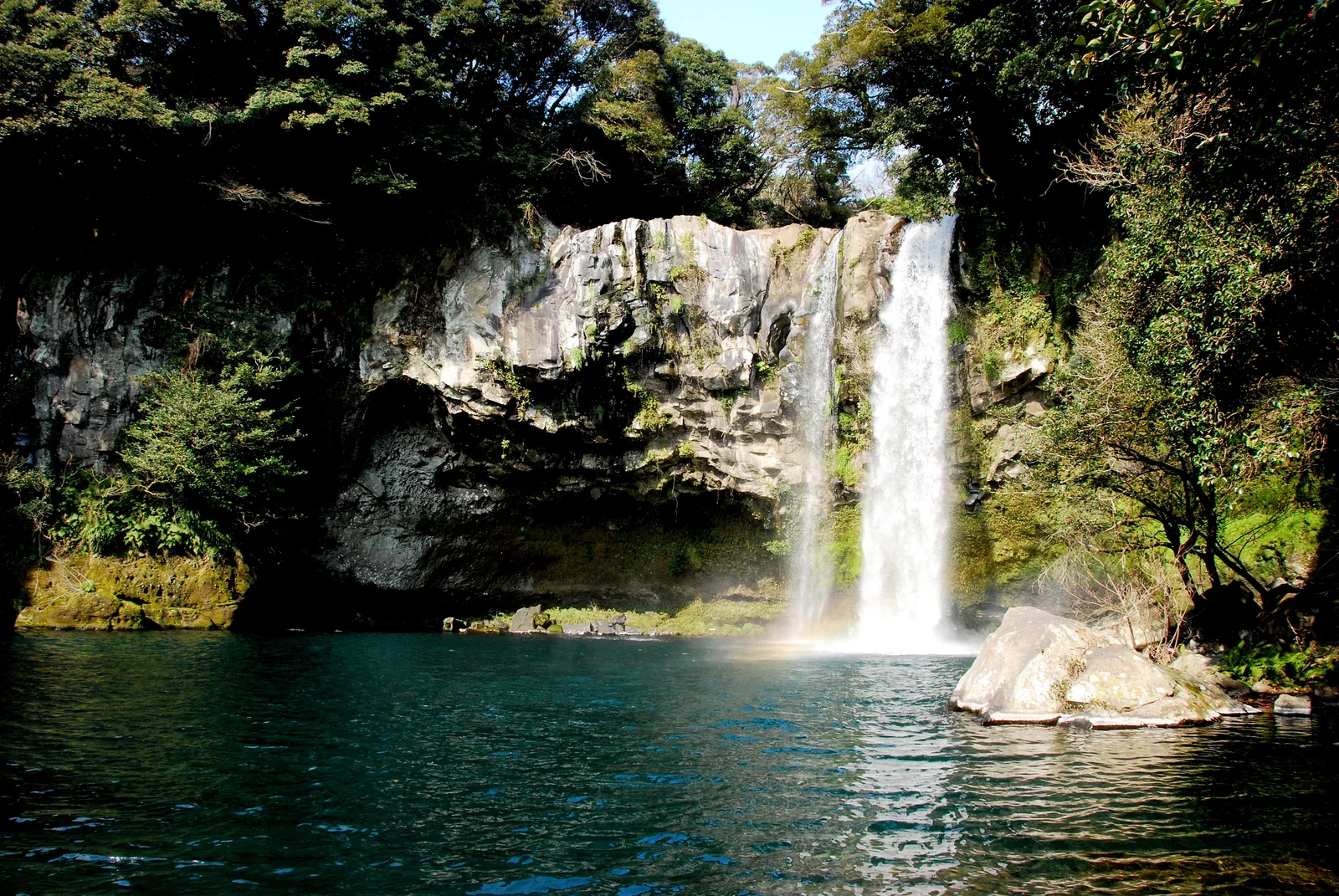
Jeju’s Cheonjiyeon Waterfall, a roughly 1 kilometer walk through subtropical forest to a waterfall popular with couples, was added to the program in 2024. Upgrades there include a leveled, evened walking surface along the main path, an improved route to the drinking fountain, 4 accessible parking spaces, newly built separate men’s and women’s accessible restrooms with a ramped entrance, and wheelchair and stroller-accessible rest tables.
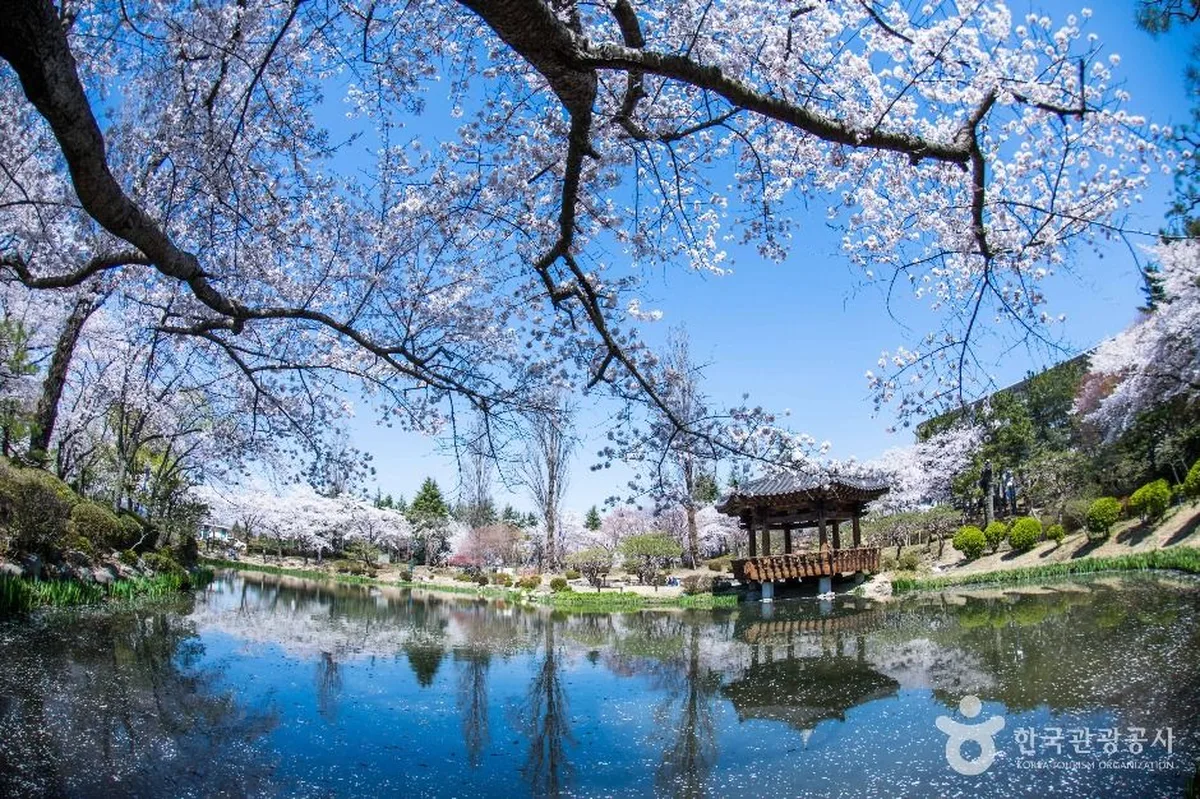
Gyeongju’s Bomun Tourist Complex, built around Lake Bomun about 10 kilometers east of downtown Gyeongju, was one of the program’s original 2015 sites. It has accessible parking, 7 tactile audio information panels with NFC tagging, upgraded accessible restrooms, dedicated wheelchair viewing spaces for up to 3 people with a caregiver, backed rest benches for visitors with caregivers, a Braille guidebook, a high-legibility pictogram map, and its own dedicated barrier-free tour route page.
Finding More: The Barrier-Free Travel Search Tool
Beyond the specific Open Tourism Sites, the same portal (access.visitkorea.or.kr, Korean-language only) runs a much broader barrier-free information search covering 5,665 registered tourist sites nationwide, filterable by disability type: physical disability, visual impairment, traveling with infants, or senior travelers. This is a general facility database rather than the funded improvement program above, so entries range from major sites like Gyeongbokgung and Deoksugung Palace down to small regional attractions, each tagged with whatever accessibility information has been submitted for it.
If you’re researching a specific destination for accessibility before booking, checking both this broader database and the Open Tourism Site list above for that location is worth the extra step, since a site can appear in one without being in the other.
Accessible Travel in Korea: Quick Answers
A tourist site selected by Korea’s Ministry of Culture, Sports and Tourism and the Korea Tourism Organization for funded accessibility upgrades, part of an ongoing program running since 2015.
The program’s own portal, access.visitkorea.or.kr, is Korean-language only. This guide translates specific site details from it.
No. Only sites specifically selected for the program have the funded upgrades described here, though many other sites have some accessibility features documented in the broader search database.
It varies by site. Incheon’s Gaehangjang district offers wheelchair and stroller rental at its Korean-Chinese Cultural Center; check the specific site before relying on this.
The program adds a new batch each year (20 sites across 10 municipalities in 2025 alone), so the running total keeps growing rather than being a fixed number.
Planning around Jeju or Gyeongju specifically? Our Jeju travel guide and Gyeongju travel guide cover each destination beyond just the accessibility angle.



Comments
Leave a comment