
Some K-drama filming spots are elaborate sets built for a single show and torn down soon after. Others are just an ordinary beach, tree, or museum that happened to get a few minutes of screen time and never stopped being an ordinary beach, tree, or museum. This guide sticks to the second kind, real, still-standing places you can actually show up to.
K-Drama Tourism at a Glance
Korean drama filming tourism started decades before Netflix made the genre a global habit. The Gapyeong area northeast of Seoul has been drawing fans since Winter Sonata aired in 2002, and it’s still the single most concentrated cluster of filming locations in the country. More recent hits scattered their locations further out, from a coastal breakwater in Gangneung to a red-brick museum in Mokpo.
Gapyeong: Where It Started with Winter Sonata
Nami Island is where Korean drama tourism effectively began. The tree-lined avenue where Winter Sonata’s leads walked is still the island’s most photographed spot, unchanged in the two decades since. We’ve already covered getting there, admission, and whether a guided tour is worth it in our Nami Island and day tours guide, so we won’t repeat the logistics here.
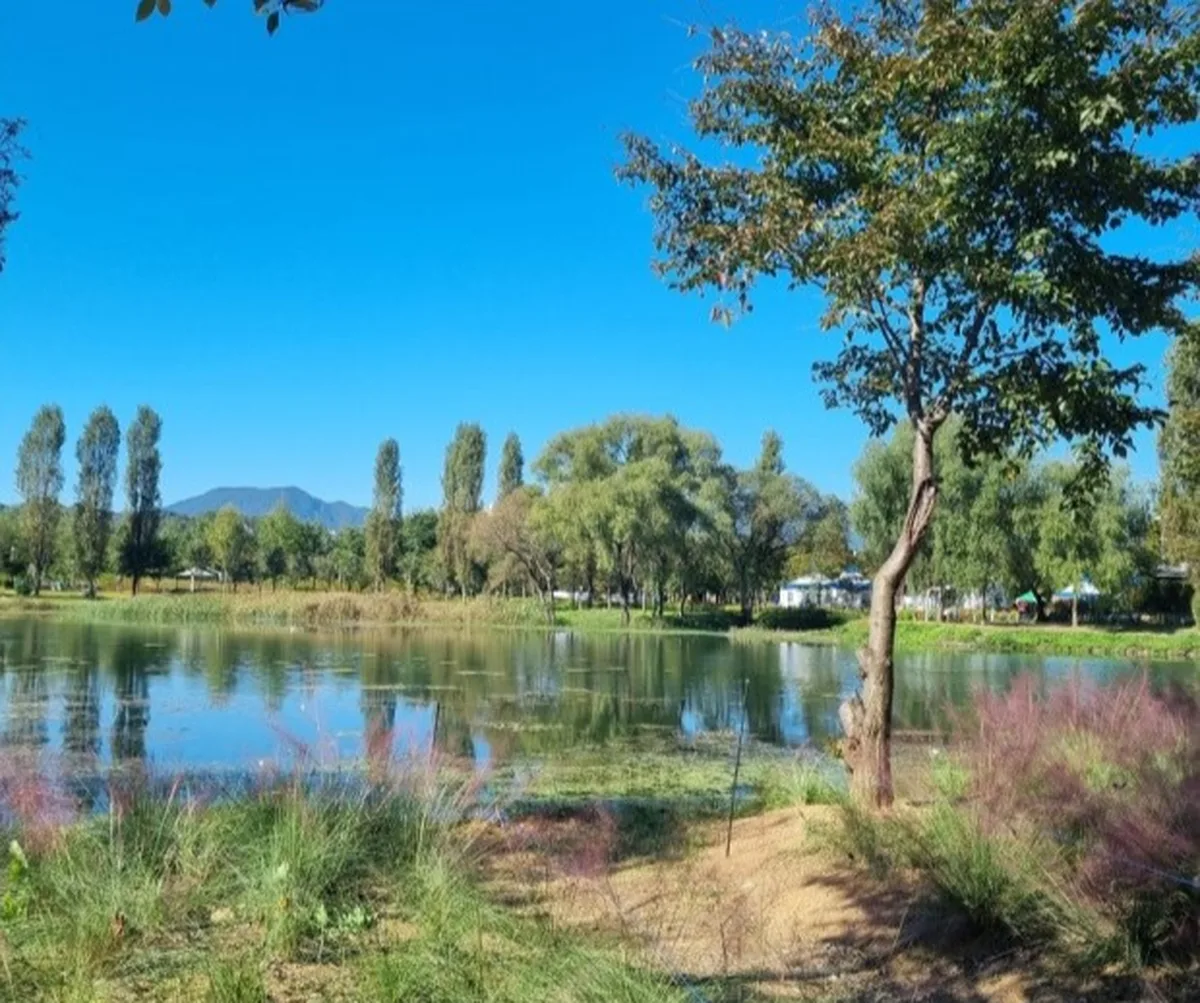
A short distance away, Jarasum Island sits on the Bukhangang River and was a filming location for IRIS (2009) on its western side. Today it’s better known as the site of the Jarasum International Jazz Festival and for its lakeside gardens and camping grounds than for the drama connection, but the island itself hasn’t changed.
Jade Garden, a European-style arboretum in the same Gapyeong-Chuncheon area, appeared in both That Winter, the Wind Blows (2013) and Love Rain (2012). It’s a paid garden rather than a free public space, so it’s worth checking current opening hours before making the trip, but the landscaped valley setting that drew the productions there is still fully intact.
Gangneung: Goblin’s Beach
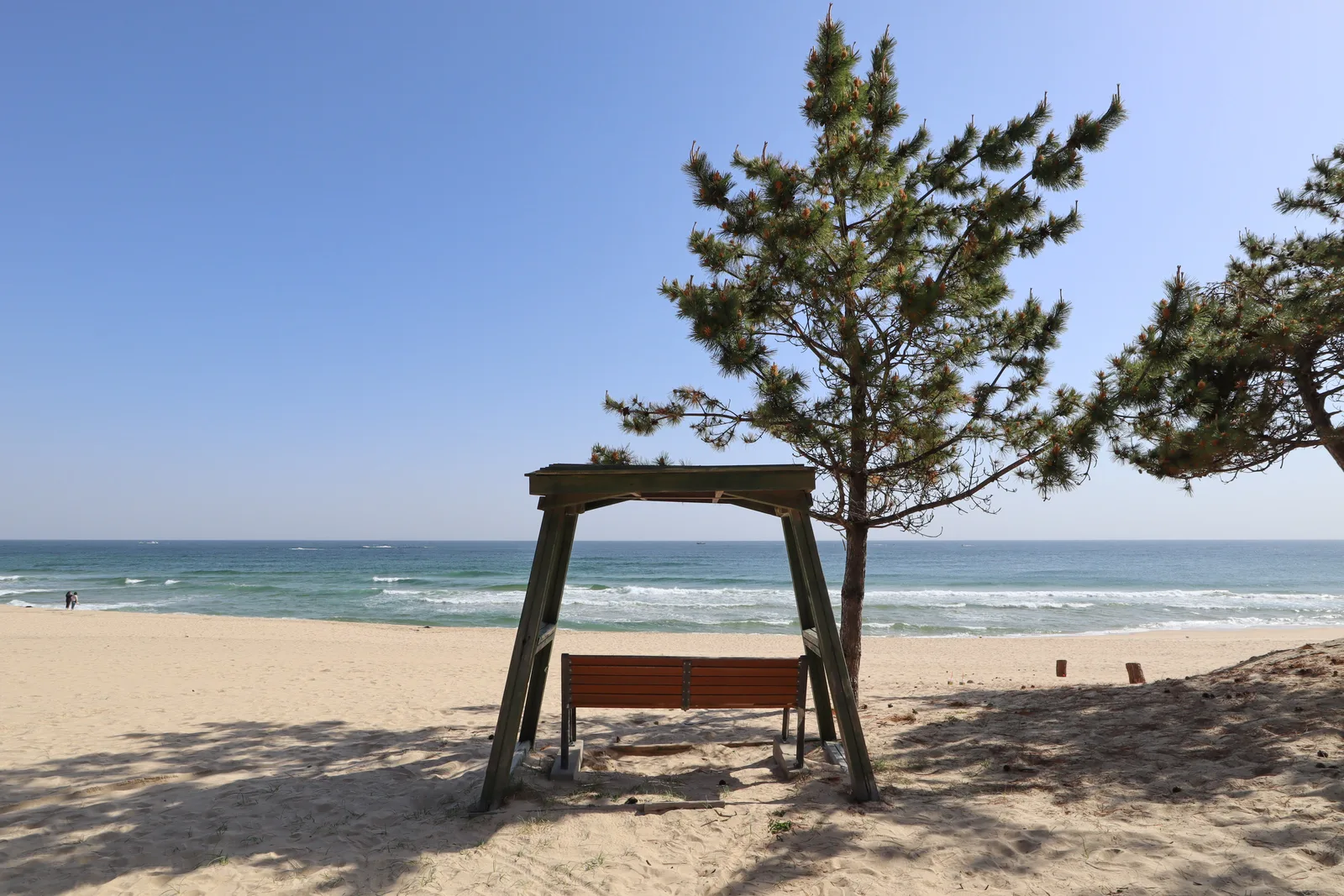
The most-searched single filming location from Goblin (2016) is the Jumunjin Breakwater, on the coast just north of central Gangneung. This is the seawall where Ji Eun-tak blows out her birthday candles and unknowingly summons Kim Shin, and it remains a normal, publicly accessible breakwater rather than a preserved set.
Gangneung is reachable by KTX from Seoul in about 1 hour 30 minutes. From downtown Gangneung, local buses 300, 300-1, 300-2, 302, 302-1, 304-1, 314, and 314-2 all run toward Jumunjin. Late September into early October gets you closest to the show’s autumn atmosphere, with the summer beach crowds thinned out and buckwheat blooming along the coastal route.
Two More Recent Hits: A Real Tree and a Real Museum
Extraordinary Attorney Woo (2022) turned an actual 500-year-old hackberry tree in Changwon into an overnight tourist attraction. The tree stands on a hill in Dongbu Village, in the Uichang-gu district, at 102-1 Bokbu-ri, Daesan-myeon. It’s not a set piece; it’s a genuinely old, city-protected tree that just happened to be the right shape for a memorable scene, and it’s currently being reviewed for formal natural monument status because of the attention.
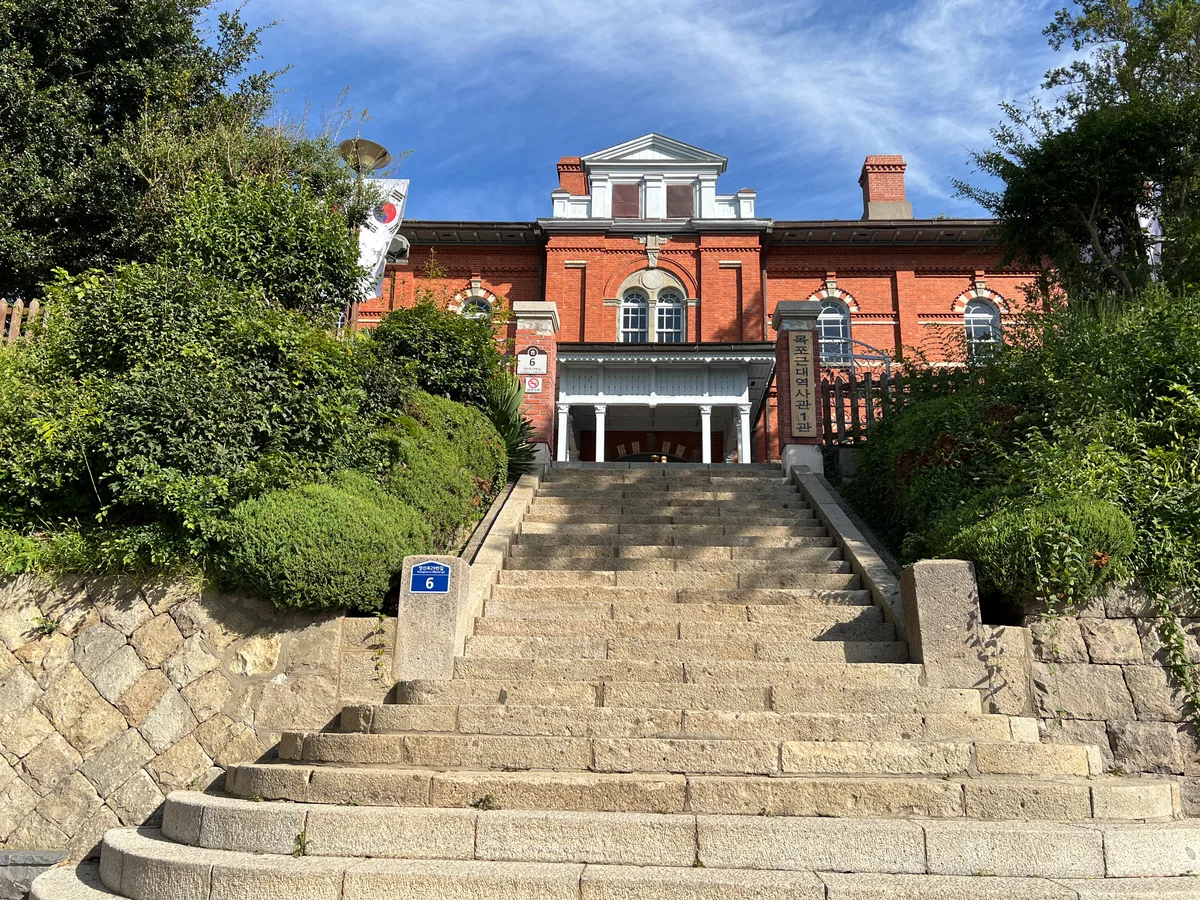
Hotel Del Luna (2019) used the Mokpo Modern History Museum’s Hall 1, a red-brick former Japanese consulate building and the oldest structure in the city, as the exterior of the title hotel. The museum operates as a regular public history museum today, so visiting means paying its standard admission rather than seeking out an abandoned set. Two more filming locations from the same show, Seoul Book Bogo in Jamsil and the hanok cafes of Ikseon-dong, sit in Seoul itself if a Mokpo detour doesn’t fit the trip.
K-Drama Filming Locations: Quick Answers
On Nami Island, a short ferry ride from Gapyeong. It’s the same avenue shown throughout the drama and hasn’t been altered.
At the Jumunjin Breakwater, on the coast just north of central Gangneung, reachable by KTX from Seoul in about 1 hour 30 minutes.
Yes. It’s a roughly 500-year-old hackberry tree in Changwon’s Dongbu Village, protected by the city and now under review for natural monument status.
Yes. The exterior shown in the drama is the Mokpo Modern History Museum’s Hall 1, which operates as a regular public museum with standard admission.
Yes. Jarasum Island (IRIS) and Jade Garden (Love Rain, That Winter the Wind Blows) are both open, functioning attractions in the Gapyeong-Chuncheon area, not preserved film sets.
Planning a Gapyeong day trip around Nami Island? Our day tours guide covers the ferry, official shuttle, and whether a packaged tour is worth adding Petite France or the Garden of Morning Calm.



Comments
Leave a comment