
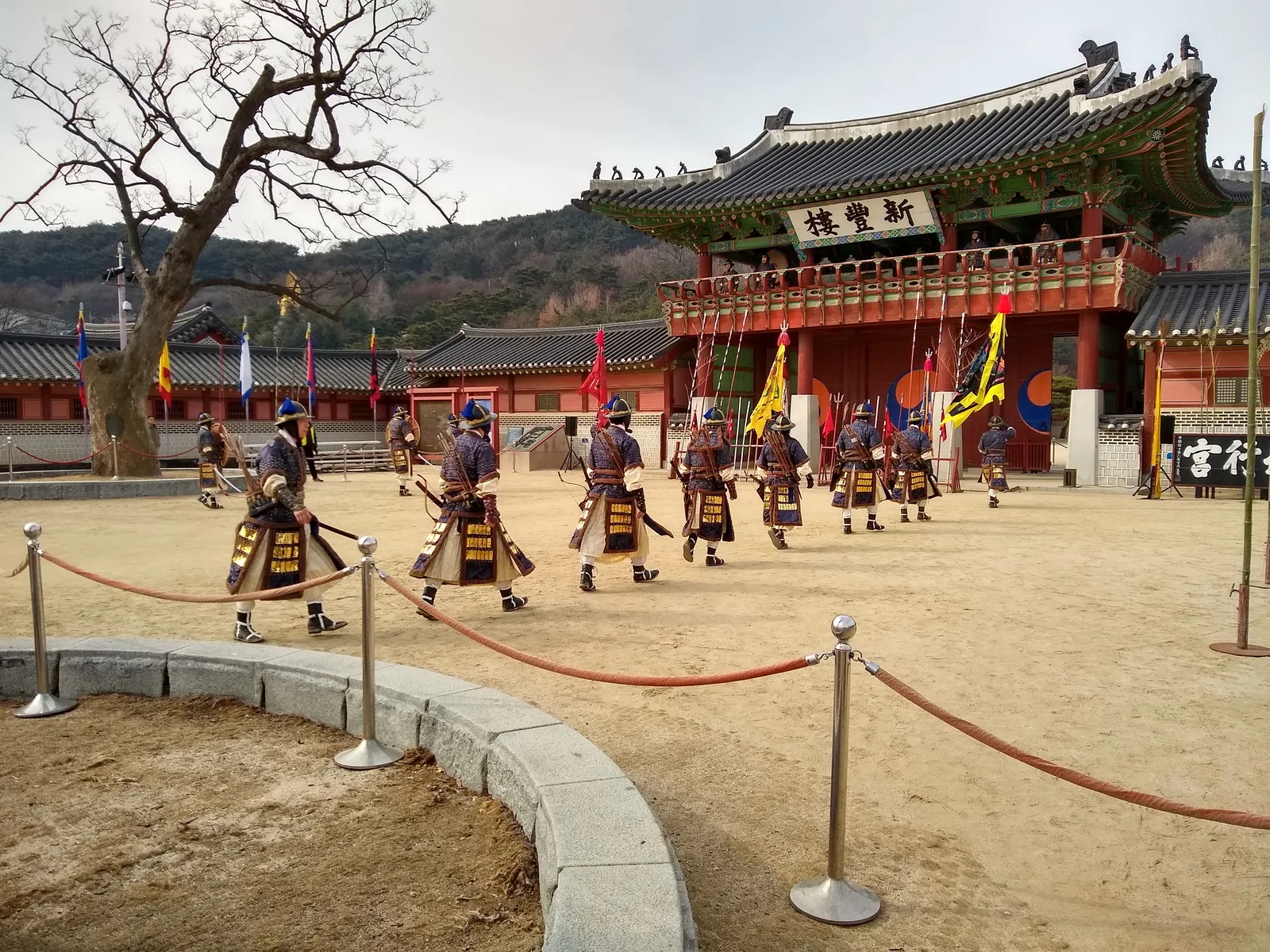
The Korea Tourism Organization maintains an official list of 100 spots spread across the country’s eight tourism regions, from Seoul’s grand palaces down to a purple-flowered island off the southwest coast. It’s less a ranked countdown than a working reference, the kind of list a domestic tourism campaign builds to spread visitors beyond the same five Seoul landmarks.
A full 100-spot table is below, organized the same way the Korea Tourism Organization groups it. After that, three spots get a closer look, all UNESCO-connected, all genuinely reachable, and all skipped by most short itineraries anyway.
What This List Actually Is
This is the Korea Tourism Organization’s own curated list, not a crowd-ranked “best of” or a single travel writer’s opinion, and it gets revisited periodically as new attractions open and others fade. Treat it as a starting reference for spreading a trip beyond the obvious stops, not a checklist to complete in one visit. Nobody sees all 100 in a single trip, and the list isn’t designed for that.
The Full List, Region by Region
| Spot | Region |
|---|---|
| Five Grand Palaces | Seoul |
| N Seoul Tower | Seoul |
| Gwanghwamun Square / Cheonggye Plaza | Seoul |
| National Museum of Korea | Seoul |
| Seoul Sky / Lotte World | Seoul |
| Seongsu-dong Street / Seoul Forest | Seoul |
| Blue House Area / Seochon Village | Seoul |
| Hangang Park | Seoul |
| Hongdae Red Road | Seoul |
| Gaehang Cultural District / Chinatown | Incheon |
| Gyodong Island | Incheon |
| Songdo Central Park | Incheon |
| Garden of Morning Calm | Gyeonggi-do |
| Seoul Grand Park / Seoul Land | Gyeonggi-do |
| Gwangmyeong Cave | Gyeonggi-do |
| Hwaseong Fortress | Gyeonggi-do |
| Dumulmeori | Gyeonggi-do |
| Korean Folk Village | Gyeonggi-do |
| Everland / Caribbean Bay | Gyeonggi-do |
| Imjingak / Paju DMZ | Gyeonggi-do |
| Heyri Art Village | Gyeonggi-do |
| Jebu Island / Sea Cable Car | Gyeonggi-do |
| Jeongdongjin-Simgok Sea Bujaegil | Gangwon-do |
| Dokkaebi Valley Sky Valley | Gangwon-do |
| Muryeong Valley | Gangwon-do |
| Seoraksan National Park | Gangwon-do |
| Sokcho Tourist Fish Market | Gangwon-do |
| Museum SAN / Ganhyeon Tourist Area | Gangwon-do |
| Wondae-ri Birch Forest | Gangwon-do |
| Cheorwon Hantan River Columnar Joints Trail | Gangwon-do |
| Nami Island | Gangwon-do |
| Daegwallyeong | Gangwon-do |
| Baekwangsan (Thousand-Year Forest Trail) | Gangwon-do |
| Jangtaesan Recreational Forest | Daejeon |
| Sejong National Arboretum | Sejong |
| Dodam Sambong | Chungcheongbuk-do |
| Mancheonha Skywalk / Danyang River Trail | Chungcheongbuk-do |
| Beopjusa Temple / Songnisan Theme Park | Chungcheongbuk-do |
| Cheongpung Lake | Chungcheongbuk-do |
| Cheongnamdae (Presidential Retreat) | Chungcheongbuk-do |
| Gongju Baekje Historic Sites | Chungcheongnam-do |
| Daecheon Beach | Chungcheongnam-do |
| Buyeo Baekje Historic Sites | Chungcheongnam-do |
| Haemi Eupseong (Walled Town) | Chungcheongnam-do |
| Hyeonchungsa Shrine | Chungcheongnam-do |
| Yedang Tourist Area | Chungcheongnam-do |
| Independence Hall of Korea | Chungcheongnam-do |
| Kkotji Beach | Chungcheongnam-do |
| Asia Culture Center | Gwangju |
| Mudeungsan National Park | Gwangju |
| Namwon Tourist Area / Gwanghalluwon Garden | Jeollabuk-do |
| Bandi Land / Taekwondowon | Jeollabuk-do |
| Byeonsan Peninsula National Park | Jeollabuk-do |
| Gangcheonsan County Park | Jeollabuk-do |
| Oseong Hanok Village | Jeollabuk-do |
| Jeonju Hanok Village | Jeollabuk-do |
| Naejangsan National Park | Jeollabuk-do |
| Maisan Provincial Park | Jeollabuk-do |
| Seomjingang Train Village | Jeollanam-do |
| Gwangyang Plum Village | Jeollanam-do |
| Juknokwon Bamboo Garden | Jeollanam-do |
| Mokpo Modern History Museum / Cable Car | Jeollanam-do |
| Suncheon Bay National Garden / Wetland | Jeollanam-do |
| Bora (Purple) Island | Jeollanam-do |
| Expo Ocean Park | Jeollanam-do |
| Jeongnamjin Cypress Forest | Jeollanam-do |
| Gamcheon Culture Village | Busan |
| Gwangalli Beach / SUP Zone | Busan |
| Busan X the Sky / Green Railway | Busan |
| Taejongdae Park | Busan |
| Haedong Yonggungsa Temple | Busan |
| Haeundae Beach / Songjeong Beach | Busan |
| Sayuwon Garden | Daegu |
| Seomun Market / Dongseongno Street | Daegu |
| Palgongsan National Park | Daegu |
| Daewangam Park | Ulsan |
| Yeongnam Alps (Ganwoljae) | Ulsan |
| Taehwagang National Garden | Ulsan |
| Gyeongju Daereungwon / Woljeonggyo | Gyeongsangbuk-do |
| Bulguksa Temple / Seokguram Grotto | Gyeongsangbuk-do |
| Baekdudaegan Arboretum | Gyeongsangbuk-do |
| Andong Hahoe Village | Gyeongsangbuk-do |
| Ulleungdo / Dokdo | Gyeongsangbuk-do |
| Juwangsan National Park / Jusanji Pond | Gyeongsangbuk-do |
| Spacewalk | Gyeongsangbuk-do |
| Geoje Botania | Gyeongsangnam-do |
| German Village | Gyeongsangnam-do |
| Sacheon Sea Cable Car / Aquarium | Gyeongsangnam-do |
| Donguibogam Village | Gyeongsangnam-do |
| Tongdosa Temple | Gyeongsangnam-do |
| Jinju Fortress | Gyeongsangnam-do |
| Upo Wetland | Gyeongsangnam-do |
| DPIRANG Media Park | Gyeongsangnam-do |
| Ssanggyesa Temple / Hwagae Market | Gyeongsangnam-do |
| Mosewat Forest Trail | Jeju |
| Bijarim Forest | Jeju |
| Seongsan Ilchulbong | Jeju |
| Udo Island | Jeju |
| Jeju Olle Trail | Jeju |
| Hallasan National Park | Jeju |
Hwaseong Fortress: The Easiest UNESCO Day Trip from Seoul
Hwaseong Fortress, in Suwon, is a UNESCO World Heritage Site that most Seoul-based visitors skip simply because it isn’t inside the city. That’s the whole appeal: a subway ride away, genuinely quiet compared to Seoul’s palaces, and cheap. Basic admission is 1,500 KRW for adults, or 4,000 KRW for a combination ticket covering the fortress, a nearby palace, and two museums. Entry is free for hanbok wearers, seniors, young children, and on the last Wednesday of each month.
Take Line 1 from Seoul Station to Suwon Station, about 55 to 65 minutes for 1,850 KRW, then walk roughly 15 minutes north to the fortress’s main gate, or catch a one-stop city bus. A KTX connection cuts the ride to about 20 minutes for 7,400 KRW. From May through October, the fortress opens for night viewing on Wednesdays through Sundays, 6 PM to 9:30 PM, when the walls light up and the crowds thin out further.
Hahoe Village: Korea’s Best-Preserved Clan Village
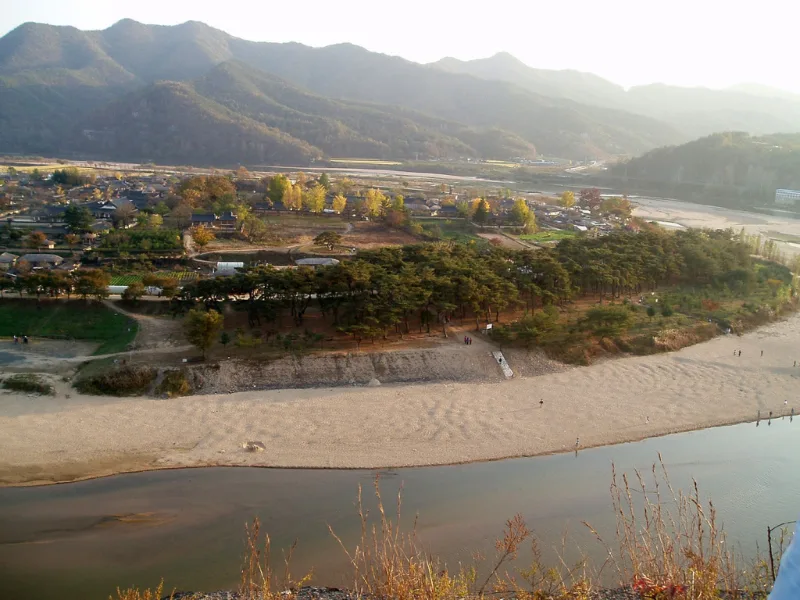
Hahoe, wrapped almost entirely by a bend in the Nakdong River, is a centuries-old village still shaped by the two clans that have lived there for generations, not a rebuilt or relocated folk village. Admission is 5,000 KRW, and the village stays open sunrise to sunset year round. From Andong Station, city bus 46 takes about an hour to reach the entrance.
The village is also home to Hahoe Byeolsingut Talnori, an eight-century-old satirical mask dance drama, performed regularly and showcased each year at the Andong International Mask Dance Festival, which runs from late September into early October.
The Jeju Olle Trail: Walking the Island Instead of Driving It
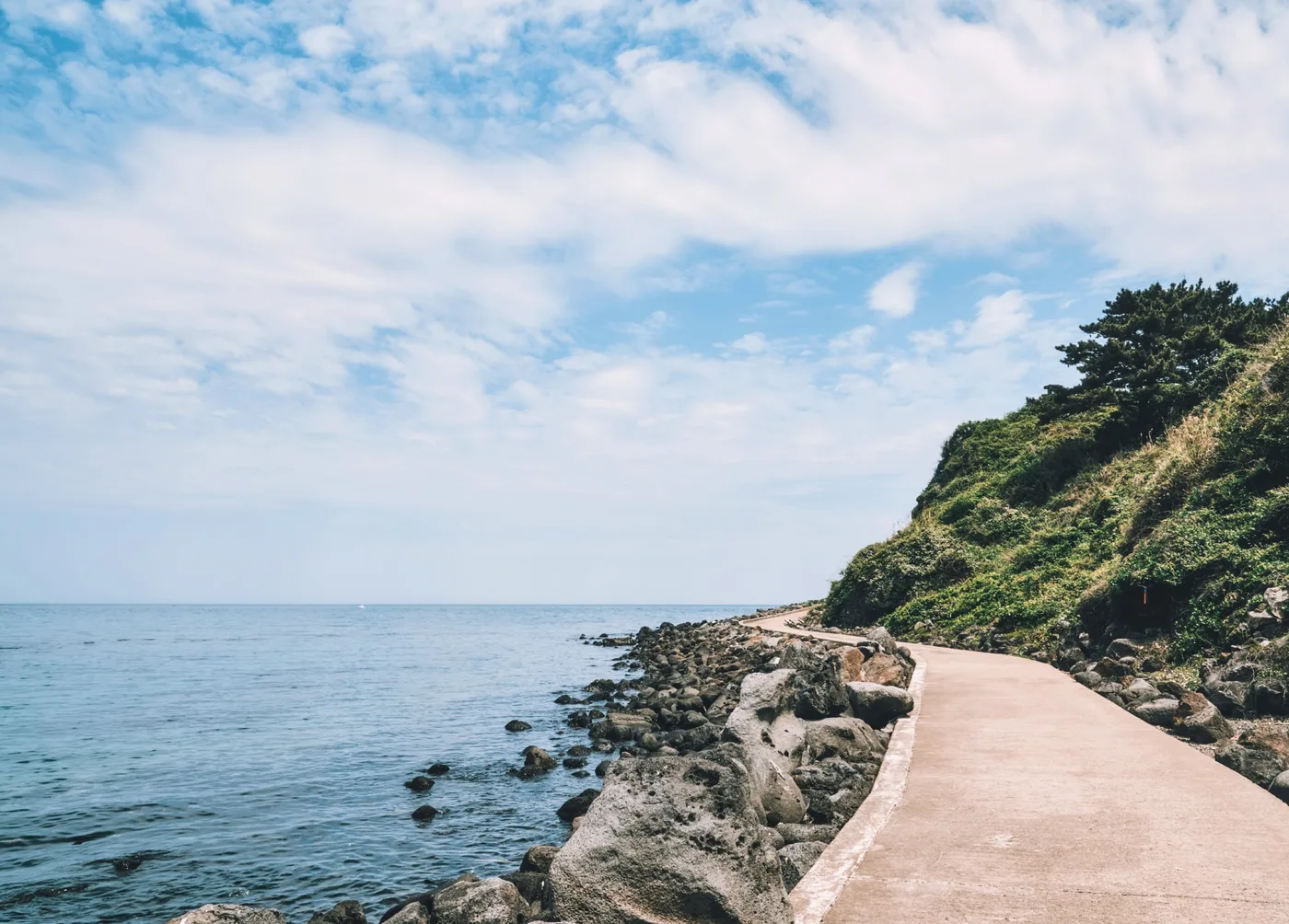
Rather than one continuous path, the Jeju Olle Trail is a network of 21 connected main routes plus 6 shorter side routes, adding up to roughly 437 km, averaging about 16 km per route. Most sections follow the island’s coastline through fishing villages and past beaches rather than climbing inland, and each route is walkable on its own in a few hours without committing to the entire network.
The trail works as a genuine alternative to renting a car for at least part of a Jeju trip, especially for visitors who’d rather see the coast at walking pace than from behind a windshield.
Korea’s 100 Spots: Quick Answers
No. It’s organized by region, not ranked by popularity or importance. It functions as a reference for spreading visits beyond the most famous landmarks, not a numbered countdown.
1,500 KRW for basic adult admission, or 4,000 KRW for a combination ticket covering the fortress, a nearby palace, and two museums. Hanbok wearers, seniors, young children, and Culture Day (last Wednesday monthly) visitors enter free.
No. It’s a genuine centuries-old settlement still shaped by the clans who have lived there for generations, not a relocated or purpose-built folk village like some other Korean heritage sites.
No. It’s a network of 21 main routes plus 6 side routes, and each one is walkable independently in a few hours. Most visitors pick one or two routes rather than attempting the full 437 km network.
It’s periodically revisited by the Korea Tourism Organization as new attractions open and older ones lose relevance, so it isn’t a fixed, permanent list.
Already planning around Seoul’s palaces or a Gyeongju stop? Our Seoul palaces guide and Gyeongju travel guide both cover spots that appear on this same list in more depth.



Comments
Leave a comment