
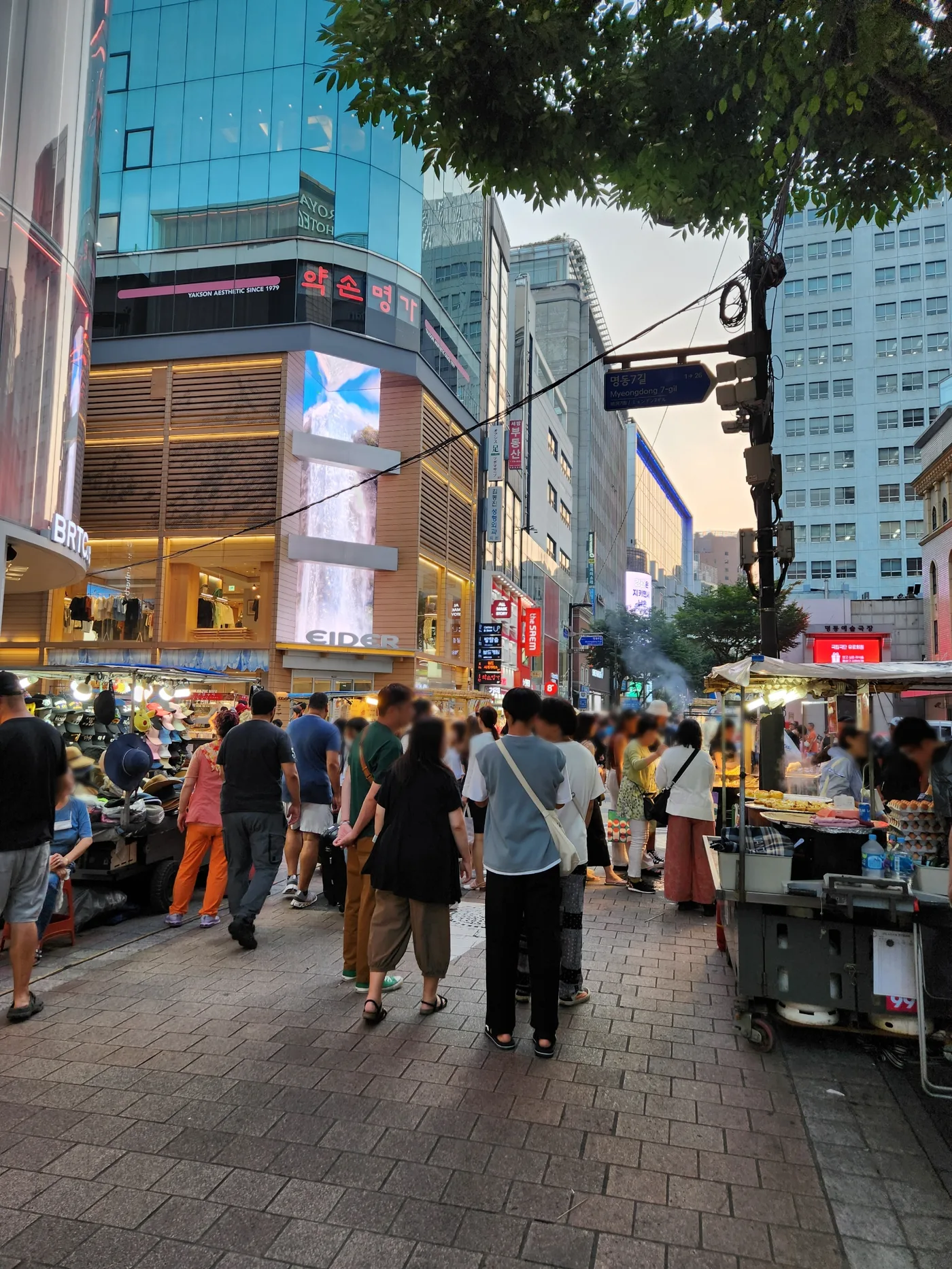
Seoul is too large to treat as a single neighborhood, but its subway makes almost anywhere reachable in 30 to 40 minutes, so picking the “wrong” base rarely strands you. What actually matters is picking a district that matches what the trip is for.
Seoul at a Glance
The city splits roughly into a historic north side, Jongno and the palace district, and a modern south side across the Han River, anchored by Gangnam. Myeongdong and Hongdae sit in between in both geography and character, central and easy to reach from almost anywhere else in the city.
Getting There and Around
From Incheon Airport, the AREX Express Train reaches Seoul Station nonstop in just under 43 minutes for a flat 11,000 KRW. The slower All-Stop Train costs 4,750 to 5,350 KRW depending on which terminal you start from, takes 60 to 66 minutes, and uses standard T-money fare rather than a separate ticket. Our Incheon Airport to Seoul guide breaks down the full comparison against the airport bus and taxi.
Once you’re in the city, a T-money card covers subway, bus, and most taxi payments, sold at any convenience store or subway station vending machine. Our transit card guide and subway and bus guide cover which card actually makes sense for how long you’re staying.
Which District Fits You
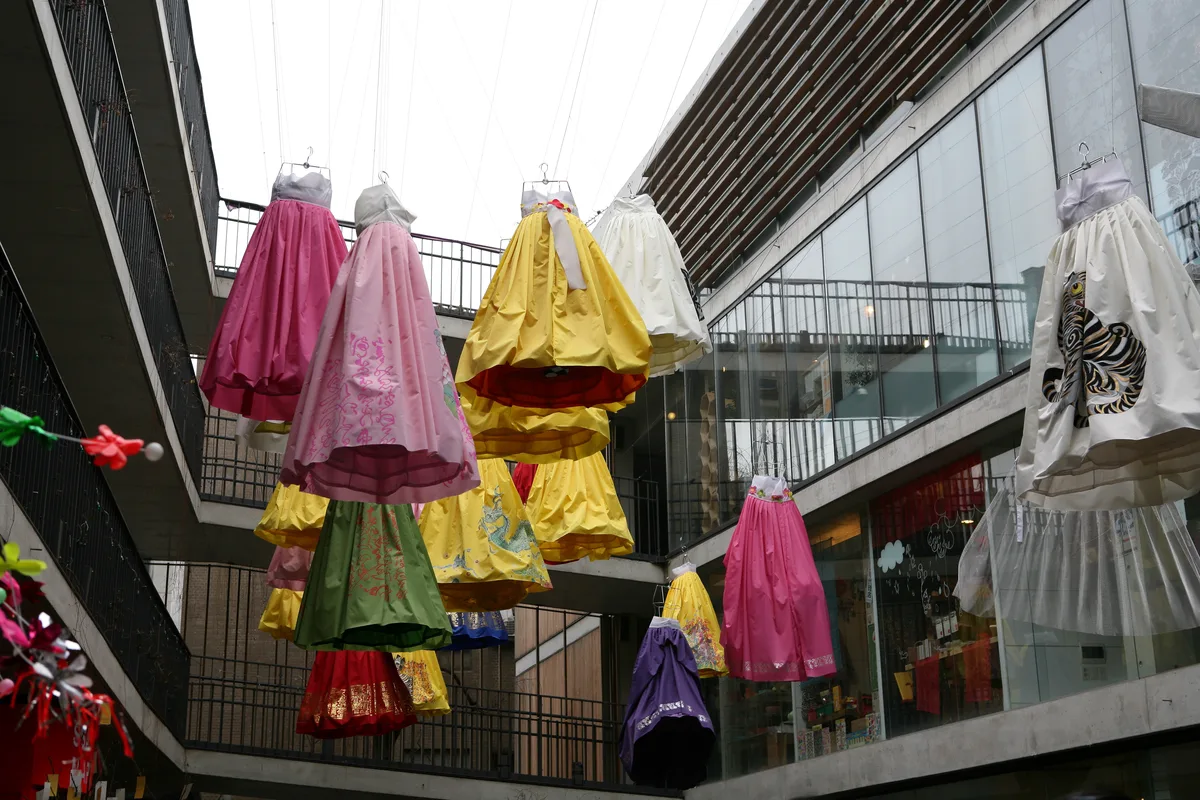
Myeongdong is the default answer for a first-time visitor. It’s central, dense with hotels and convenience stores, and built around shopping and street food, which makes it forgiving if you haven’t planned every hour of the trip.
Jongno is Seoul’s historic core, home to Gyeongbokgung and the other grand palaces, along with Insadong’s traditional crafts and tea houses. It suits sightseeing by day and quieter evenings, and fits naturally with our Seoul palaces guide.
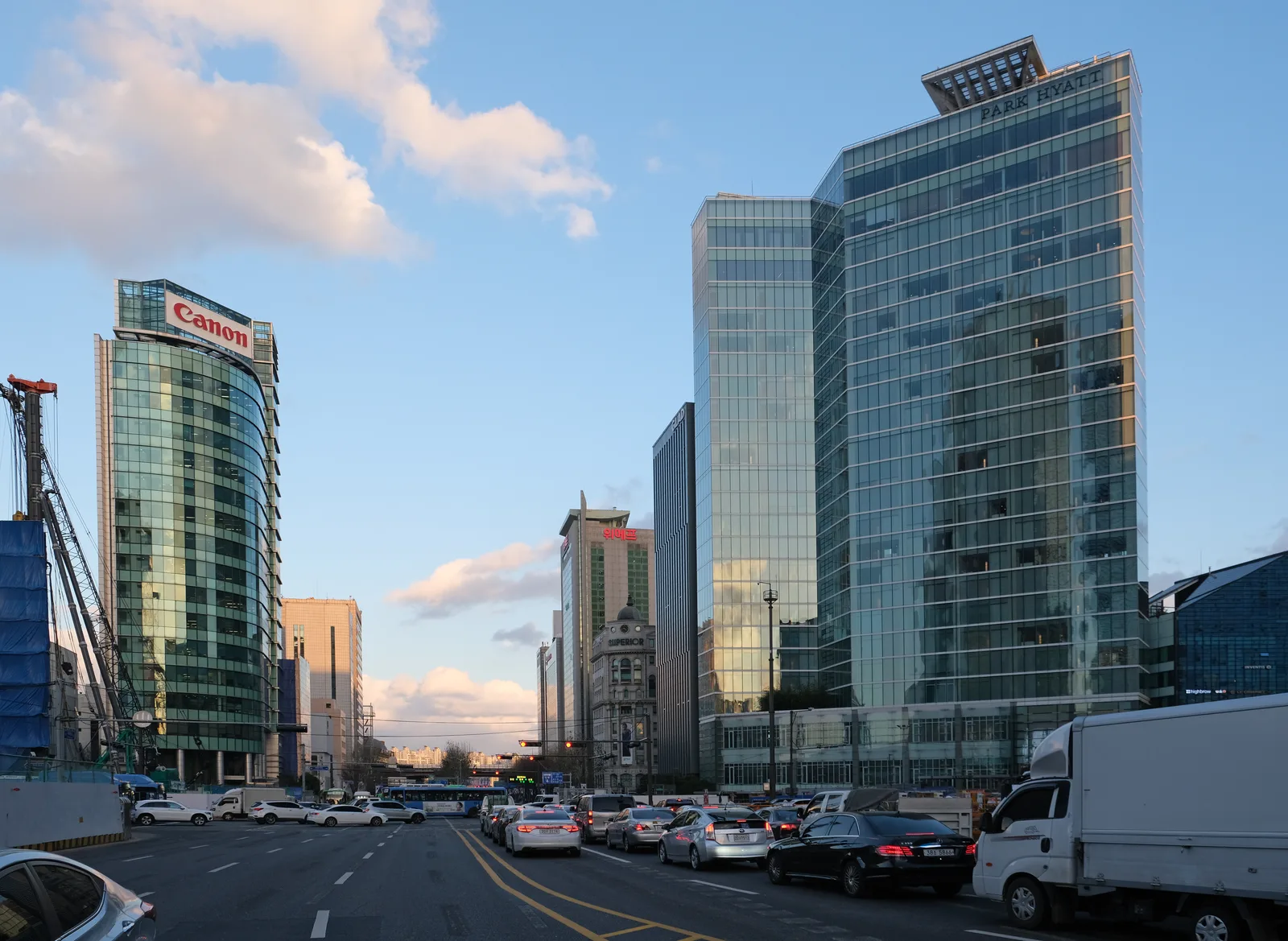
Gangnam, south of the Han River, is modern, upscale, and where most K-pop agency spaces cluster, covered in our K-pop fan tourism guide. Hongdae is the youngest and loudest option, built around indie music, street art, and nightlife, best suited to travelers prioritizing that scene over daytime sightseeing.
What This Site Already Covers in Seoul
Rather than repeat it here, Seoul-specific detail already lives across several other guides: must-try Korean food, Gwangjang and Namdaemun markets, taxi apps, navigation apps, and hanbok rental near Gyeongbokgung. Building a Seoul itinerary usually means combining a district choice from this guide with the specific details in those.
Seoul: Quick Answers
Myeongdong or Jongno are the two most common answers. Myeongdong is more central and convenience-focused; Jongno puts you closer to the palaces and historic sites.
The AREX Express Train (just under 43 minutes, a flat 11,000 KRW) is the fastest option. A slower All-Stop Train and airport buses also run; our Incheon Airport guide compares all of them in detail.
Less than you’d think, but it still affects your evenings. Most sights are reachable within 30 to 40 minutes regardless of base, but coming home late from Hongdae’s nightlife versus a quiet Jongno evening is a real difference in daily rhythm.
Gangnam sits south of the Han River and developed later than the historic north side, giving it a more modern, upscale character built around business towers, luxury shopping, and entertainment agencies rather than palaces and traditional markets.
Yes, a single T-money card covers subway, bus, and most taxi fares throughout Seoul for the length of a stay, and it’s rechargeable at any convenience store.
Combining Seoul with other cities? Our itinerary guide by trip length covers how Seoul fits into a longer Korea trip.



Comments
Leave a comment