
Korean food outside Korea usually means Korean BBQ and maybe bibimbap. Inside the country, that’s a small slice of what’s actually on offer, and skipping the rest means missing most of what makes the food here worth the trip in the first place.
None of it requires special knowledge to enjoy. A few names to recognize, a rough sense of price, and a couple of ordering habits are enough to eat well from your first meal.
The Five Dishes to Start With
These five come up constantly for a reason. Between them, they cover rice, grilled meat, stew, and street food, so working through the list gives a real sense of the range rather than one flavor repeated five times.
| Dish | What it is | Typical price |
|---|---|---|
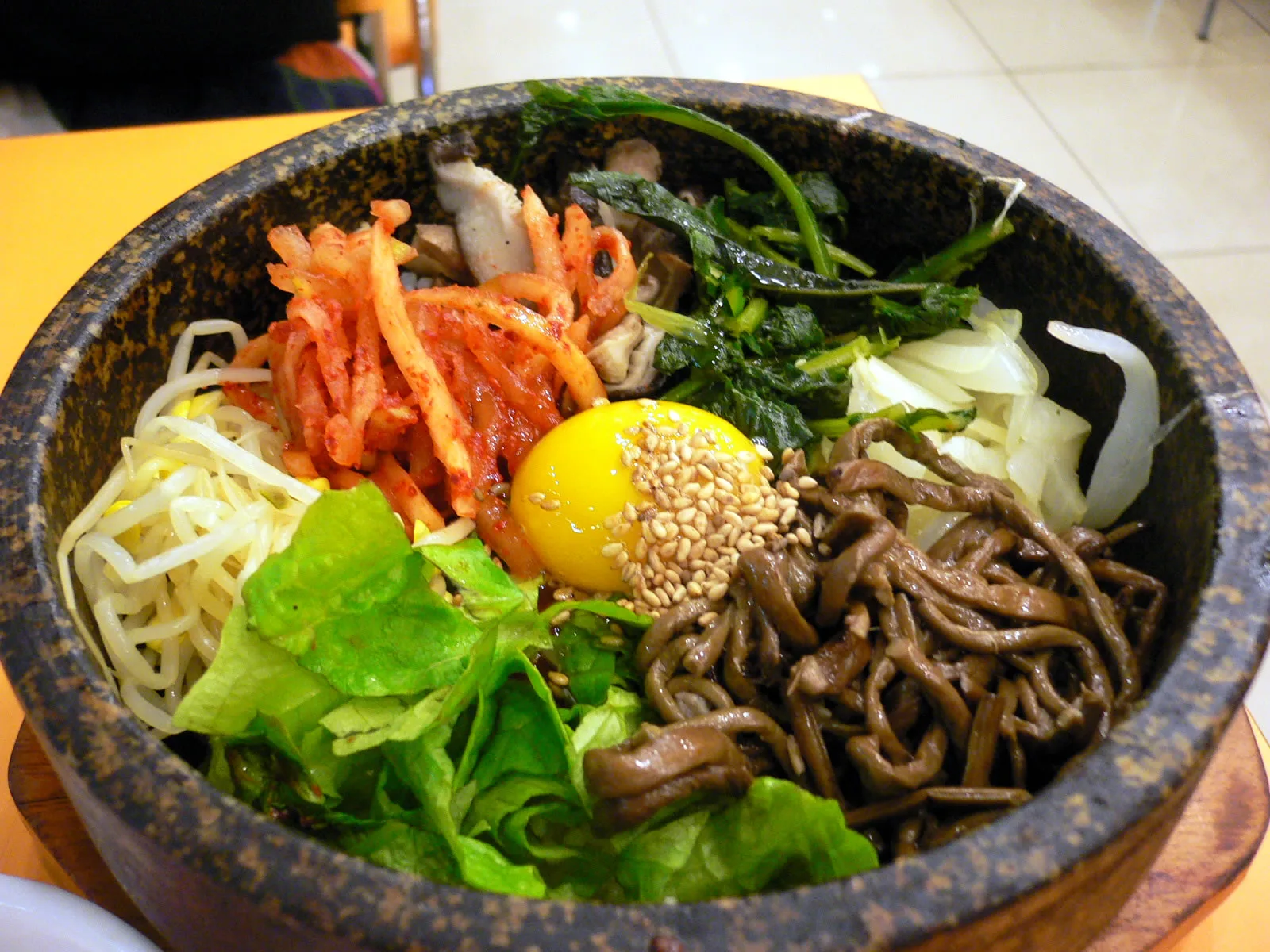
| Bibimbap | Rice topped with seasoned vegetables, meat, and a fried egg, mixed together with gochujang chili paste | 9,000 to 15,000 KRW |
| Samgyeopsal | Grilled pork belly, cooked at the table and wrapped in lettuce with garlic and dipping sauce | 15,000 to 25,000 KRW per person |
| Bulgogi | Thin slices of beef marinated in a sweet soy sauce, then grilled or pan cooked | 13,000 to 20,000 KRW |
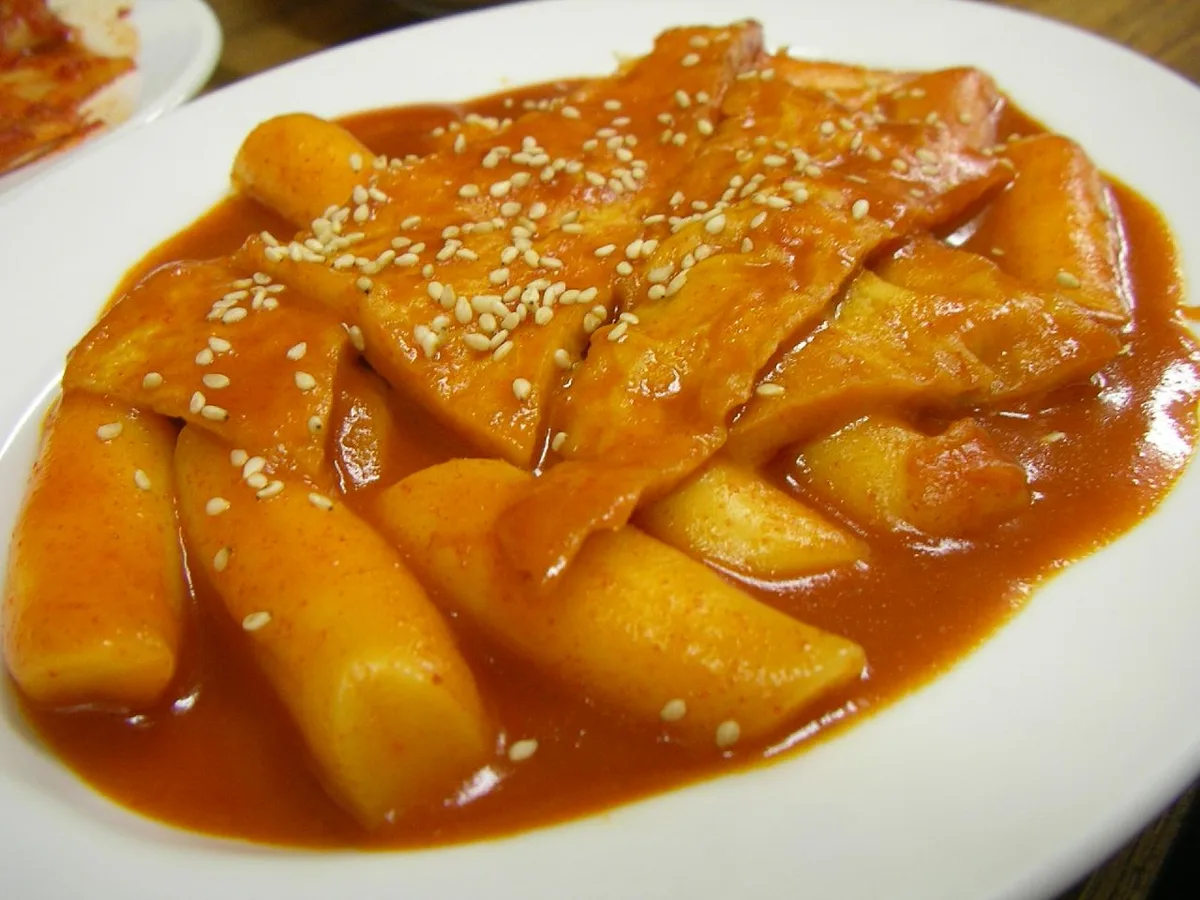
| Tteokbokki | Chewy rice cakes simmered in a spicy, slightly sweet sauce, sold everywhere from street stalls to sit down restaurants | 4,000 to 8,000 KRW |
| Kimchi jjigae | A bubbling stew built around aged kimchi, usually with pork or tofu added | 8,000 to 12,000 KRW |
Bibimbap served in a hot stone bowl, called dolsot bibimbap, is worth specifically asking for. The rice touching the hot stone crisps into a crust while you mix everything together, which the room temperature version doesn’t give you.
Beyond the Basics: Dishes Worth Seeking Out
Once the five above feel familiar, these next four reward the extra effort. None of them show up on every generic “Korean food” list, and each one tells you something about Korea’s actual food history rather than just its export version.
Jjajangmyeon, thick wheat noodles under a dark sauce of stir fried black bean paste, onion, and meat, looks unfamiliar on first glance and tastes savory and rich once you dig in. It’s a Korean adaptation of a Chinese dish, sweetened to local taste over decades. Expect 7,000 to 12,000 KRW.
Budae-jjigae, often translated as army stew, combines ham, sausage, spam, kimchi, and instant noodles in a shared pot. It traces back to the years after the Korean War, when surplus American military rations got folded into Korean cooking out of necessity. Two regional styles exist: a clearer broth from Uijeongbu, and a richer, tomato-leaning version from Songtan. Expect 10,000 to 30,000 KRW, usually priced to share.
Ganjang-gejang, raw crab marinated in soy sauce with garlic and chili, has earned the nickname “rice thief” for how fast a bowl of rice disappears alongside it. The texture is unlike cooked crab, closer to a savory custard, and it’s a genuine acquired taste worth trying once. Expect 15,000 to 47,000 KRW depending on the crab.
Fresh oysters, raw, grilled, or steamed, hit their best quality from late October onward and run 20,000 to 45,000 KRW, a fraction of what the same quality costs in many other countries. A squeeze of lemon or a dab of chili paste is the standard way to eat them raw.
How Korean BBQ Actually Works
Korean BBQ isn’t a server bringing you a finished plate. Raw meat and a live grill arrive at the table, and cooking it is part of the meal.
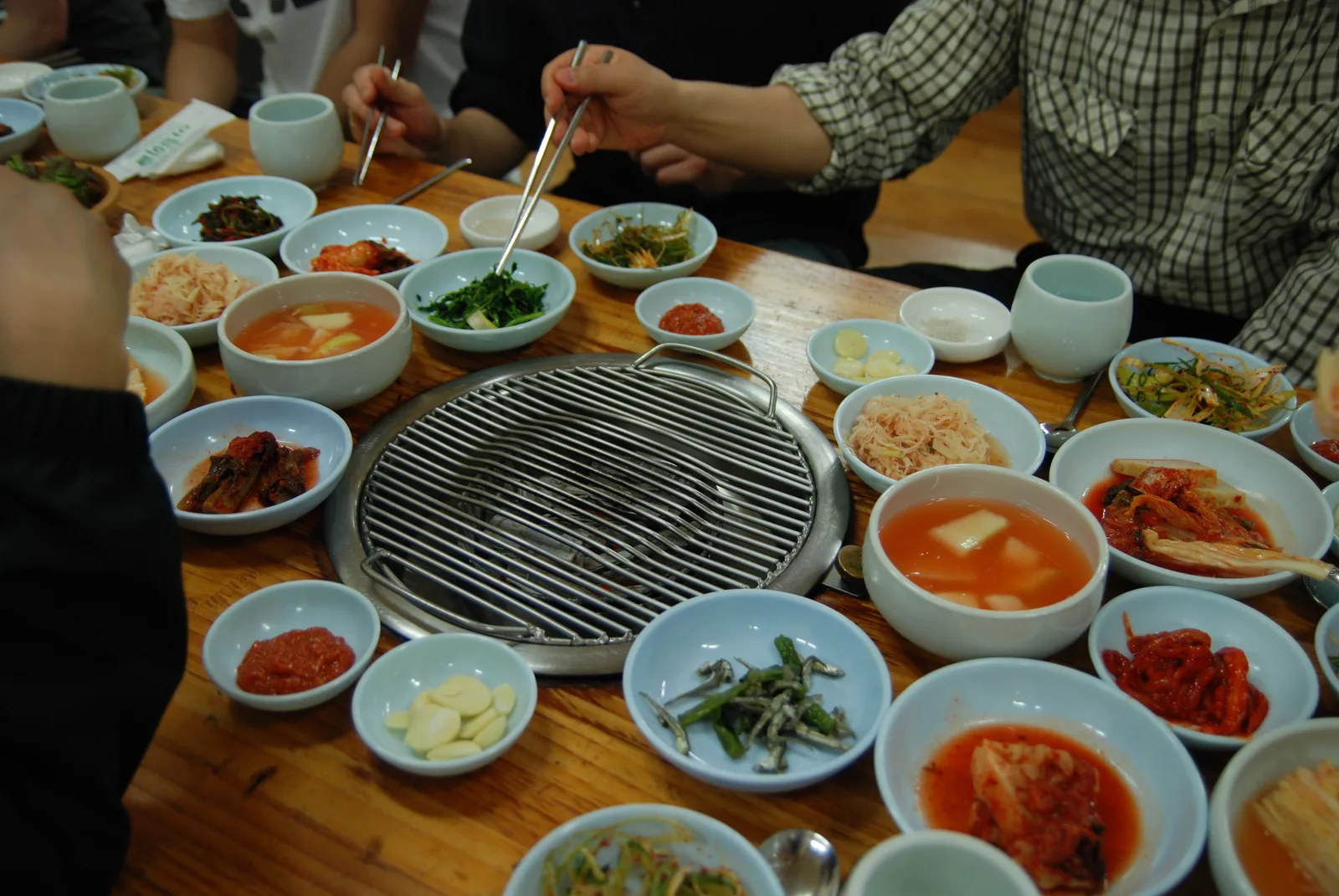
Meat is priced by the serving, called 1인분 (il-in-bun), typically 120 to 180 grams. Most restaurants ask for a minimum of two servings before they’ll fire up the grill, and that catches solo travelers off guard since it sounds like a two person minimum. It isn’t. Order two servings by yourself, and you simply pay for and receive both.
Once the meat is cooked, wrap a piece in lettuce or a perilla leaf along with a smear of ssamjang paste and a sliver of garlic, then eat it in one bite. Vegetarian travelers aren’t left with nothing either. Ask to grill mushrooms and vegetables instead of meat, most places have some on hand, and season them the same way with sesame oil, salt, or the sauces already on the table.
Ordering, Banchan, and Spice Level
Banchan, the small side dishes that arrive without being ordered, are shared and free. Use your own chopsticks or spoon to move a portion onto your plate rather than eating straight from the shared dish, and if one runs low, just point at it and say “deo juseyo” (더 주세요), which means “more, please.”
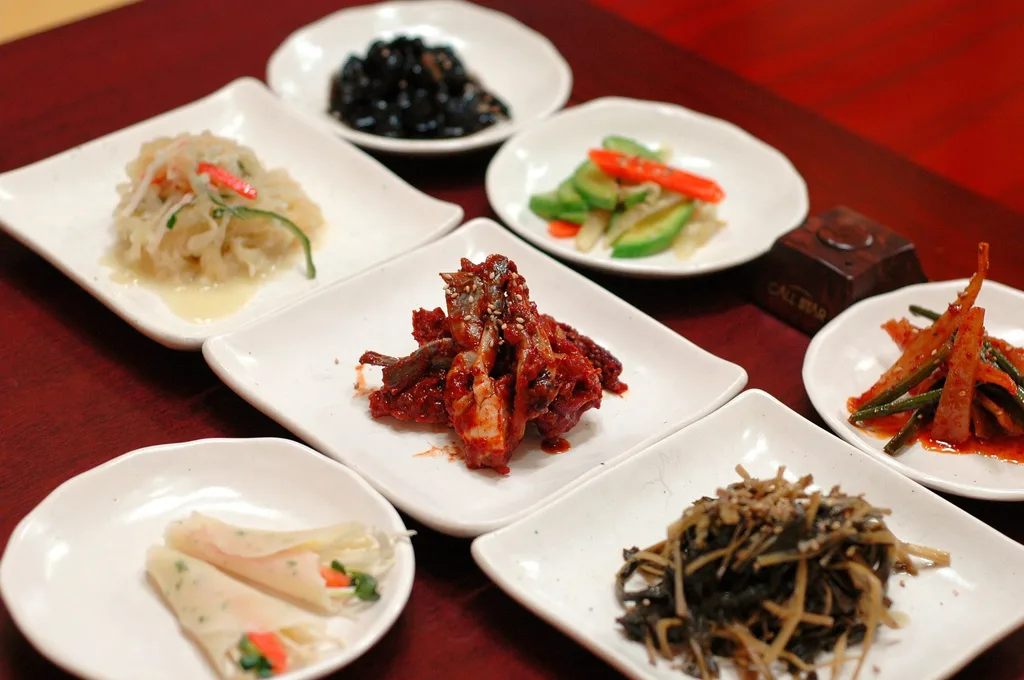
Spice level in Korean food isn’t fixed. Staff will often adjust heat on request, and if a dish turns out spicier than expected, a sip of milk or a spoonful of rice does more to cut the heat than water does. Travelers avoiding dairy or eggs should watch specifically for creamy looking banchan, like dressed cabbage or potato salad, since those two ingredients show up there more than in the main dishes themselves.
A cheap way to try more at once
A single stop at a market food stall selling tteokbokki, then a separate small bowl of kimchi jjigae at a nearby diner, adds up to less than one mid-range restaurant meal and covers twice the ground.
Must-Try Korean Food: Quick Answers
Bibimbap, samgyeopsal, bulgogi, tteokbokki, and kimchi jjigae cover the widest range of flavors and textures between them, and all five are easy to find anywhere in the country.
No. The minimum is two servings (1인분 each), not two diners. A solo traveler can order two servings alone and simply receive, and pay for, both.
Yes, at the vast majority of restaurants. They arrive automatically with your order, and asking for a refill when a dish runs low is completely normal.
To an extent. Most Korean BBQ restaurants will grill mushrooms and vegetables on request, and the banchan spread includes several vegetable-based dishes, though a few are dressed with egg or dairy.
Ganjang-gejang, raw crab marinated in soy sauce, and budae-jjigae, a stew descended from post-Korean War military rations, both offer a side of Korean food that most short visits miss entirely.
Planning where to eat around a specific neighborhood? Our currency exchange and payment methods guide covers paying at smaller restaurants and markets that may not take foreign cards.



Comments
Leave a comment