

If you searched for how to book a KTX ticket and found old advice about choosing between KTX and SRT, that advice is now out of date. The two merged into a single network on September 1, 2026.
Here’s what that merger actually means for booking a train, plus how to book an intercity express bus, the other fast way between cities in Korea.
How Do You Book a KTX or Express Bus Ticket in Korea?
Trains now book through one app and one site, Korail+, regardless of whether your route used to run as KTX or SRT. Express buses book separately, through Kobus for most inter-city routes.
| Transport | Where to book | Foreign card support |
|---|---|---|
| KTX / former SRT routes | Korail+ app or korail.com | Visa, Mastercard, UnionPay |
| Express bus | kobus.co.kr or terminal counter | Unreliable online, terminal kiosk works better |
The 2026 KTX-SRT Merger: What Actually Changed
Korea ran two separate high-speed rail operators for over a decade, KTX under Korail and SRT under SR, with two apps, two membership systems, and often two different fares for a similar route. That split ended this year.
Member accounts began converting on July 14, 2026. A Korail-only membership converted automatically. Anyone with an SR account, or accounts with both, had to visit the site directly to complete the switch. The unified booking app, Korail+, replaced KorailTalk on August 3, and combined booking for both networks opened two days later, on August 5.
What’s actually different if you used to book SRT
Former SRT routes now price at roughly 10 percent below the old KTX fare level for a comparable trip. A new mileage program credits 5 percent of what you spend back to your account, and a 30 percent transfer discount now applies when connecting to a regular (non-high-speed) train. Seat capacity also grew, with roughly 15,000 more seats on weekdays and 17,000 more on weekends, and about 26 additional weekend departures.
Full integrated operation started September 1, 2026. If you’re booking now, you’re booking into the merged system by default. There’s no separate SRT app or SRT membership left to worry about.
Booking a Train on Korail+
Download Korail+ (an update of the former KorailTalk app) or book through korail.com directly. Both cover every high-speed route in the country, the former KTX network and the former SRT routes alike, in one search and one checkout.
Foreign-issued Visa, Mastercard and UnionPay cards are already supported for payment. Alipay and WeChat Pay are in development, with no confirmed launch date yet, so don’t count on them for now.
The booking window itself is getting longer. From October 1, 2026, you can book up to two months before departure, up from one month. That timing lines up with when most foreign visitors already book their flights, so you can lock in both at once.
Language support is expanding too
The foreign visitor booking pages currently run in seven languages, including English, Chinese, Japanese, Thai and Vietnamese. French, German and Mongolian are due by the end of 2026, bringing the total to ten.
If you’re planning a longer multi-city rail trip rather than a single point-to-point booking, a multi-day rail pass for foreign visitors also exists, sold separately from a regular ticket. Pricing and exact coverage change from year to year, so check the current terms on korail.com directly rather than trust an old number from a blog post, this one included.
Booking an Express Bus
Express buses, 고속버스, run on expressways between major city terminals and are often the more frequent or more direct option for a route that doesn’t have a train line. Kobus is the main integrated booking site, running in Korean, English, Japanese and Chinese.
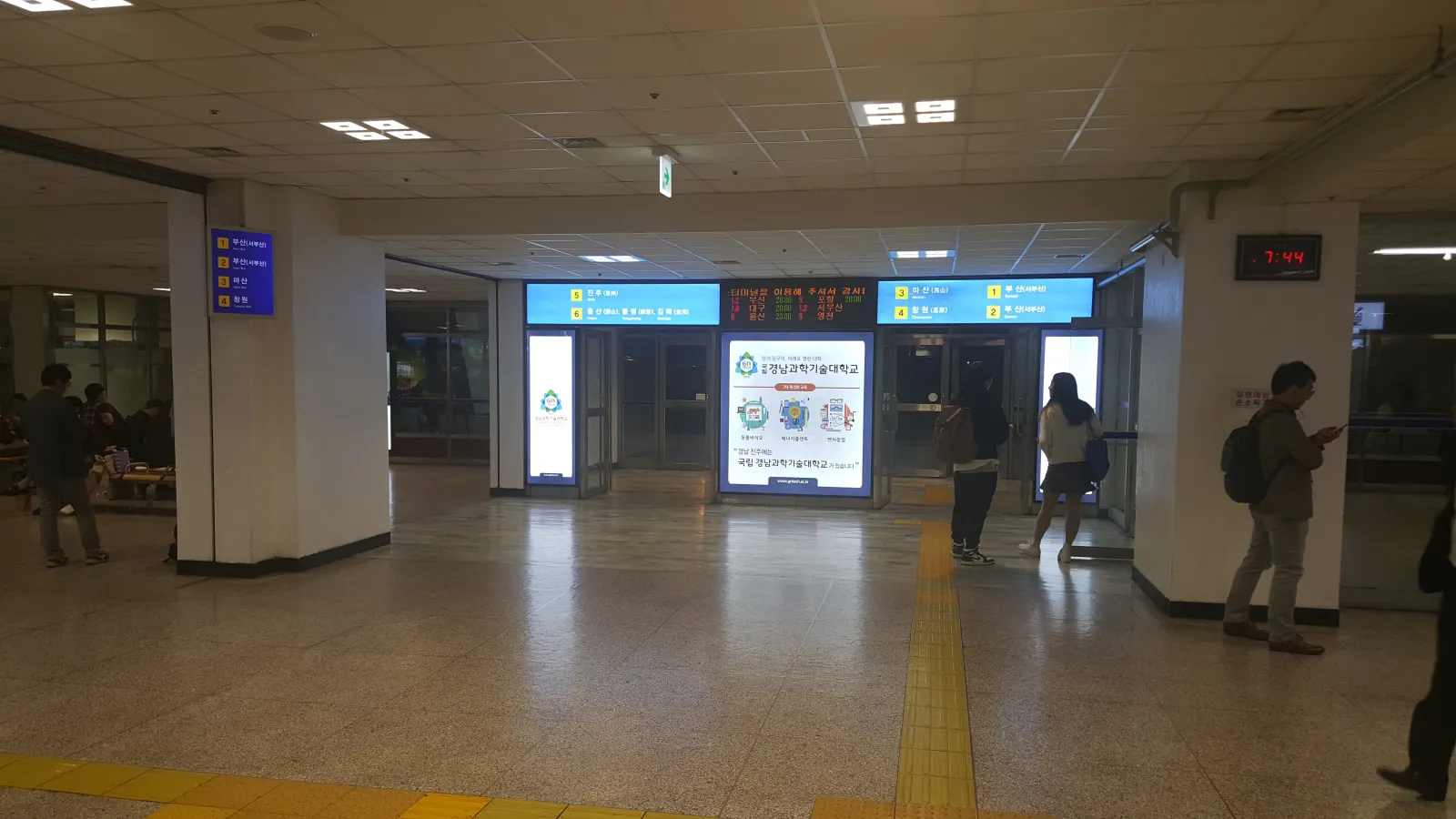
Online payment is the rough edge. Kobus’s checkout was built mainly around Korean-issued cards, so a foreign card can get stuck asking for Korean-specific card details, or fail on a 3D Secure verification step depending on your card issuer.
If your foreign card won’t go through
Two reliable workarounds. Reserve a seat online without completing payment, then pay in cash at the terminal counter when you pick up the physical ticket. Or skip the website entirely and pay directly at a terminal’s ticketing kiosk, where foreign cards tend to go through more consistently than on the website itself.
Terminals themselves are easy to navigate even without fluent Korean. Destination, time and platform are posted in Korean and English at every major terminal, and staff at the ticket counter are used to handling foreign travelers.
KTX and Express Bus Booking: Quick Answers
No. They merged into one network with a single booking app, Korail+, starting with combined operation on September 1, 2026. There’s no separate SRT app or membership anymore.
Fares on those routes dropped to roughly 10 percent below the old KTX level for a comparable trip, a new mileage program refunds 5 percent of spending, and a 30 percent transfer discount now applies when connecting to a regular train. Seat capacity also increased.
Yes. Visa, Mastercard and UnionPay are supported on Korail+ and korail.com. Alipay and WeChat Pay support is planned but not yet live.
Up to one month before departure currently, extending to two months starting October 1, 2026.
Reserve online without paying, then pay cash at the terminal counter when you collect your ticket, or pay directly at the terminal’s ticketing kiosk, which tends to accept foreign cards more reliably than the website checkout.
Flying into Incheon first? Our Incheon Airport to Seoul guide covers getting into the city before you connect onward by rail or bus.
Safe travels.



Comments
Leave a comment