
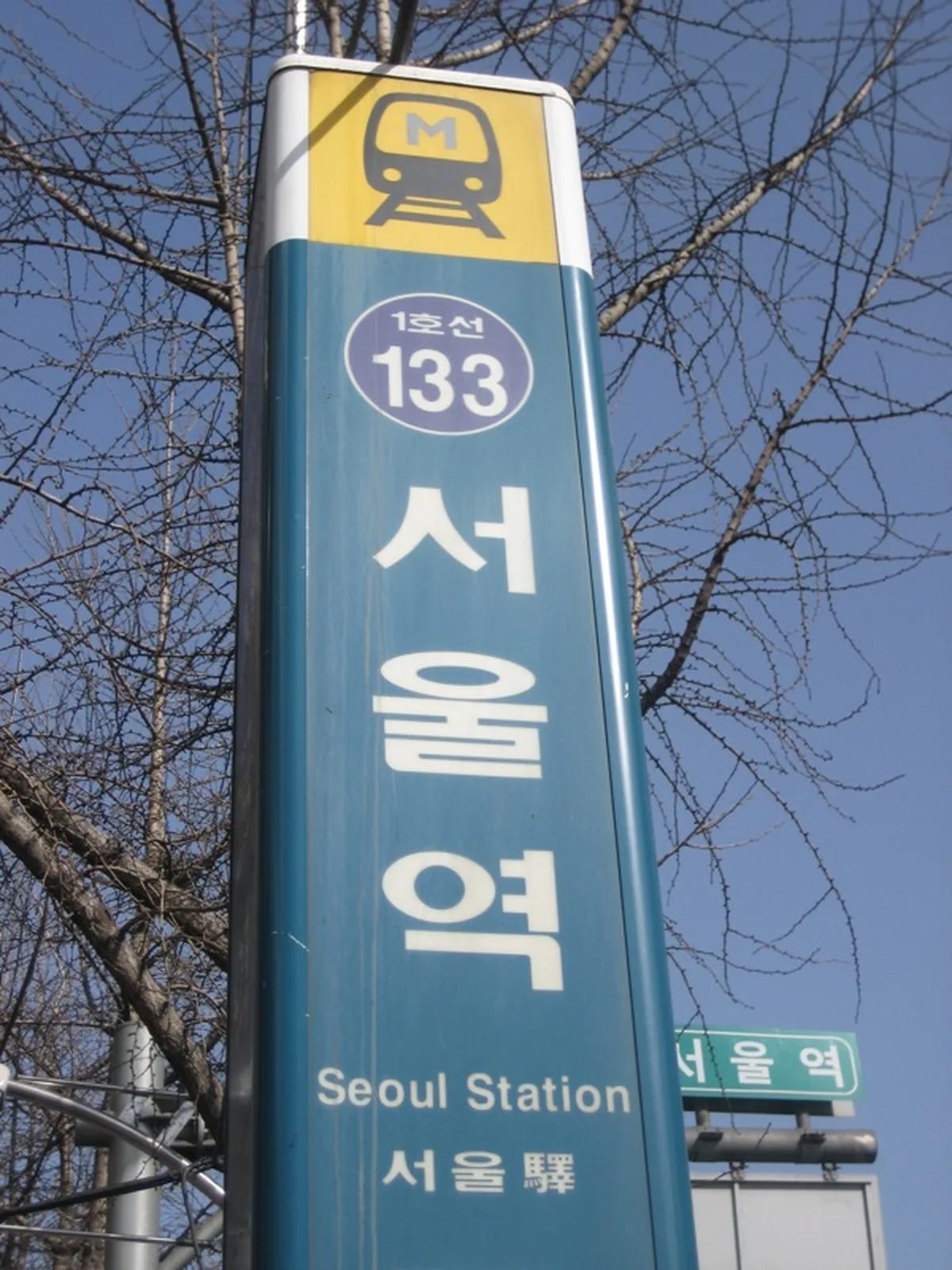
You don’t need fluent Korean to get around Korea, but a handful of phrases go a long way, especially outside Seoul’s more English-friendly districts. Every phrase below comes with its Hangul spelling, the standard romanization used on Korean street signs and in official transliteration, and a plain-English pronunciation guide for anyone who’s never studied the writing system.
How This Guide Handles Pronunciation
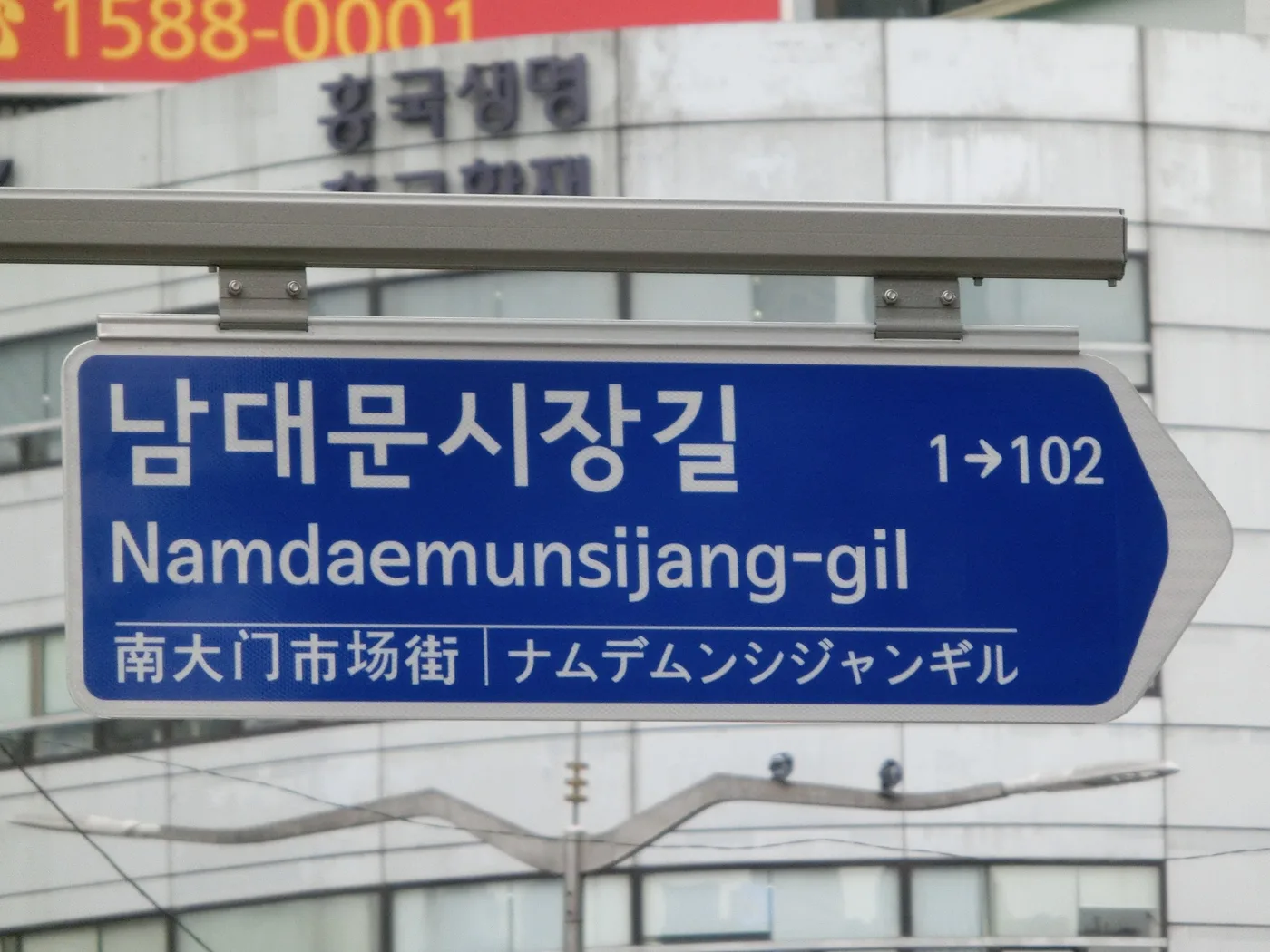
The romanization used here follows South Korea’s official Revised Romanization system, the same one used on subway signs and street signs nationwide, so it will match what you see written around you. The pronunciation guide next to it is a simplified approximation, not a perfect phonetic transcript, since several Korean sounds (like the vowel in “eo” or the difference between plain and tensed consonants) don’t map cleanly onto English spelling.
Greetings and Courtesy
| Korean | Romanization | Say it like | Meaning |
|---|---|---|---|
| 안녕하세요 | annyeonghaseyo | ahn-nyong-ha-say-yo | Hello (general, polite) |
| 안녕히 가세요 | annyeonghi gaseyo | ahn-nyong-hee ga-say-yo | Goodbye (said to someone leaving) |
| 안녕히 계세요 | annyeonghi gyeseyo | ahn-nyong-hee gyeh-say-yo | Goodbye (said to someone staying) |
| 감사합니다 | gamsahamnida | gahm-sah-hahm-nee-da | Thank you |
| 죄송합니다 | joesonghamnida | jweh-song-hahm-nee-da | I’m sorry / excuse me |
| 괜찮아요 | gwaenchanayo | gwen-cha-na-yo | It’s okay / I’m fine |
Korean has two distinct goodbyes depending on who’s actually leaving, which trips up a lot of first-time visitors. If you’re walking out of a shop and the staff are staying put, they’ll say annyeonghi gaseyo to you, since you’re the one going; if you’re the one staying (like seeing someone off at a station), you’d also say annyeonghi gaseyo to them, since they’re the one leaving. You’d only hear annyeonghi gyeseyo directed at you if you’re the one staying behind.
Shopping and Getting Around
| Korean | Romanization | Say it like | Meaning |
|---|---|---|---|
| 얼마예요? | eolmayeyo? | ol-ma-yay-yo | How much is this? |
| 이거 주세요 | igeo juseyo | ee-guh joo-say-yo | I’ll take this / this one, please |
| 화장실이 어디예요? | hwajangsiri eodiyeyo? | hwa-jang-shee-ree oh-dee-yay-yo | Where is the bathroom? |
| 영어 할 줄 아세요? | yeongeo hal jul aseyo? | yong-uh hal jool ah-say-yo | Do you speak English? |
| 한국어 몰라요 | hangugeo mollayo | han-goo-guh mol-la-yo | I don’t speak Korean |
“Igeo juseyo” is one of the most useful phrases for markets and street stalls, since you can just point at what you want while saying it, no need to know the item’s actual name.
At a Restaurant
| Korean | Romanization | Say it like | Meaning |
|---|---|---|---|
| 여기요! | yeogiyo! | yuh-gee-yo | Excuse me! (calling a server over) |
| 메뉴판 주세요 | menyupan juseyo | meh-nyoo-pan joo-say-yo | Menu, please |
| 물 주세요 | mul juseyo | mool joo-say-yo | Water, please |
| 맛있어요 | masisseoyo | ma-shee-ssuh-yo | It’s delicious |
| 계산해 주세요 | gyesanhae juseyo | gyeh-san-heh joo-say-yo | Check, please |
“Yeogiyo” is the standard way to get a server’s attention in Korea; table service rarely happens without it, since staff generally wait to be called rather than checking in on tables periodically.
Emergencies
| Korean | Romanization | Say it like | Meaning |
|---|---|---|---|
| 도와주세요! | dowajuseyo! | doh-wa-joo-say-yo | Help! |
| 병원이 어디예요? | byeongwoni eodiyeyo? | byong-wo-nee oh-dee-yay-yo | Where is the hospital? |
| 경찰을 불러 주세요 | gyeongchareul bulleo juseyo | gyong-cha-reul bool-luh joo-say-yo | Please call the police |
For anything more serious than these phrases can cover, our Korea emergency numbers guide covers 112, 119, and the 1330 tourist helpline, including English-language support.
Basic Korean Phrases: Quick Answers
No. Recognizing a few key phrases by sound is enough for most travel situations, especially in Seoul and other major cities where English signage is common.
Both mean “goodbye,” but which one you use depends on who’s leaving. Say “gaseyo” to someone walking away, and “gyeseyo” to someone who’s staying while you leave.
Call out “yeogiyo,” which functions like “excuse me” directed at staff. Servers generally wait to be called rather than checking tables on their own.
Yes, South Korea uses the Revised Romanization of Korean system nationwide since 2000, which is the same system used throughout this guide.
“Hangugeo mollayo” (I don’t speak Korean) is the most direct option, and most people will switch to gestures, a translation app, or basic English from there.
Heading somewhere that needs more than phrases? Our emergency numbers guide and navigation app guide cover the practical basics this one doesn’t.



Comments
Leave a comment